
Overbite vs Underbite in Houston and Richmond, TX

Are you wondering about overbite vs underbite in Houston and Richmond, TX? These bite problems affect more than just the look of your smile. They impact chewing, speaking, and the overall function of your jaw.
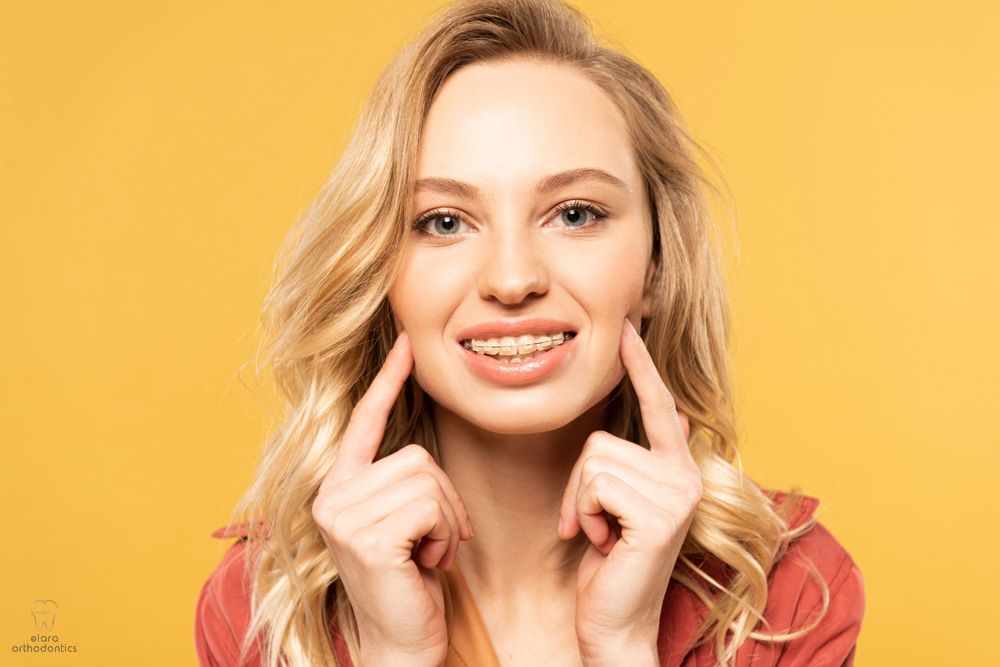
smiling blonde woman clear braces looking camera - Overbite vs Underbite in Houston and Richmond, TX.

What Are Overbites and Underbites?

An overbite happens when the top teeth cover the bottom teeth too much. It is one of the most common types of malocclusion (tooth or jaw misalignment).

An underbite is the opposite. In this case, the bottom teeth stick out past the top teeth. Both are forms of malocclusion and can cause long-term bite issues if left untreated. As Dr. Nick Kim, a popular orthodontist in Suwanee, GA, explains, these bite issues can also strain your jaw joints and face muscles if you wait too long to treat them.

What Causes Overbites and Underbites?

Bite problems result from several factors. A few common causes include:

Genetics: Family history often plays a part. Parents with bite problems may pass these traits down to their kids. Genetics can affect jaw positioning, jaw size, and tooth alignment, all of which contribute to malocclusion.

Childhood Habits: Thumb-sucking, using pacifiers past infancy, and prolonged bottle use can shift teeth out of place. These habits can also influence jaw development, resulting in overbites or underbites as the child grows.

Growth and Environment: Diet, airway issues, and oral hygiene practices play a role in jaw development. Breathing problems, missing teeth, or erosion of the jawbone can also lead to bite problems over time.

No matter the cause, orthodontists at Elara Orthodontics are here to diagnose jaw discrepancies and offer treatment recommendations to improve jaw alignment and bite patterns.

Why You Should Fix Overbite and Underbite

Chewing and Speech Problems

When your bite is not lined up, chewing gets harder. This can cause pain or poor digestion. Some bite issues also make it hard to speak clearly. Sounds like “s” or “th” may be tough to say when teeth are out of place.

TMJ Disorders and Jaw Pain

Misaligned teeth put stress on the jaw joint (TMJ). This can cause pain, headaches, or clicking noises when you chew. TMJ problems often get worse if not treated. Fixing your bite early can prevent migraines, jaw pain, and stiffness later.

Tooth Wear and Damage

A bad bite puts too much pressure on some teeth. Overbites can wear down lower teeth. Underbites can harm the top teeth. Crossbites and open bites may cause wear on both arches. Over time, this can lead to enamel loss, gum strain, and other dental issues.

Treatment Options for Overbites and Underbites

At Elara Orthodontics in Houston and Richmond, we provide treatment options to correct overbites, underbites, and other bite problems. The best approach depends on the severity of the issue, the patient’s age, and their orthodontic needs.

Non-Surgical Treatments

Braces

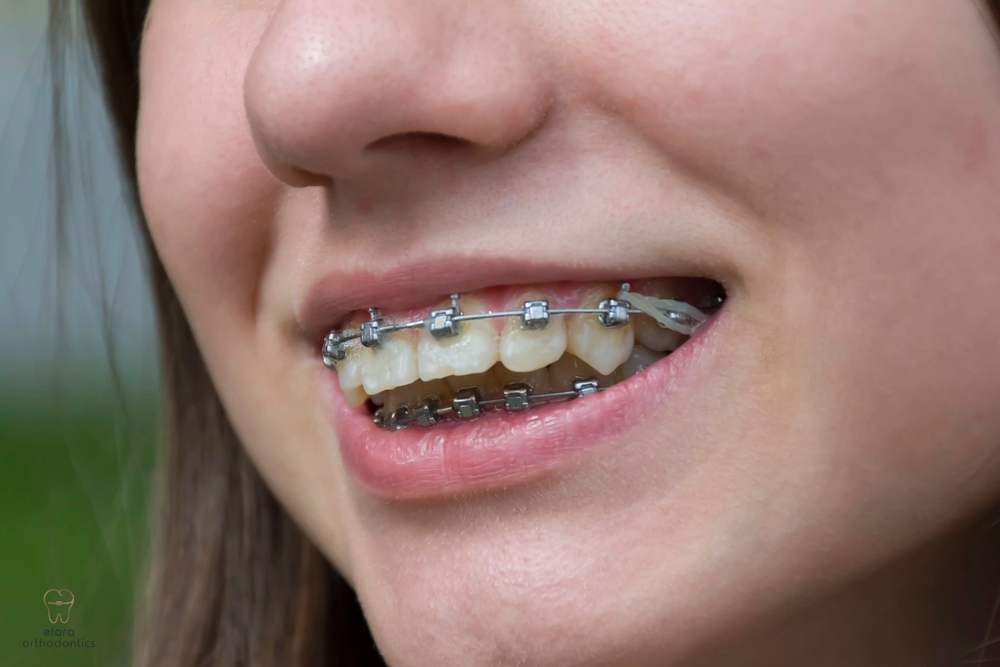
Traditional braces are a reliable way to fix bite alignments. Braces use brackets, wires, and rubber bands to move teeth into the correct position. Bite correctors or expanders may also be used alongside braces.

Invisalign

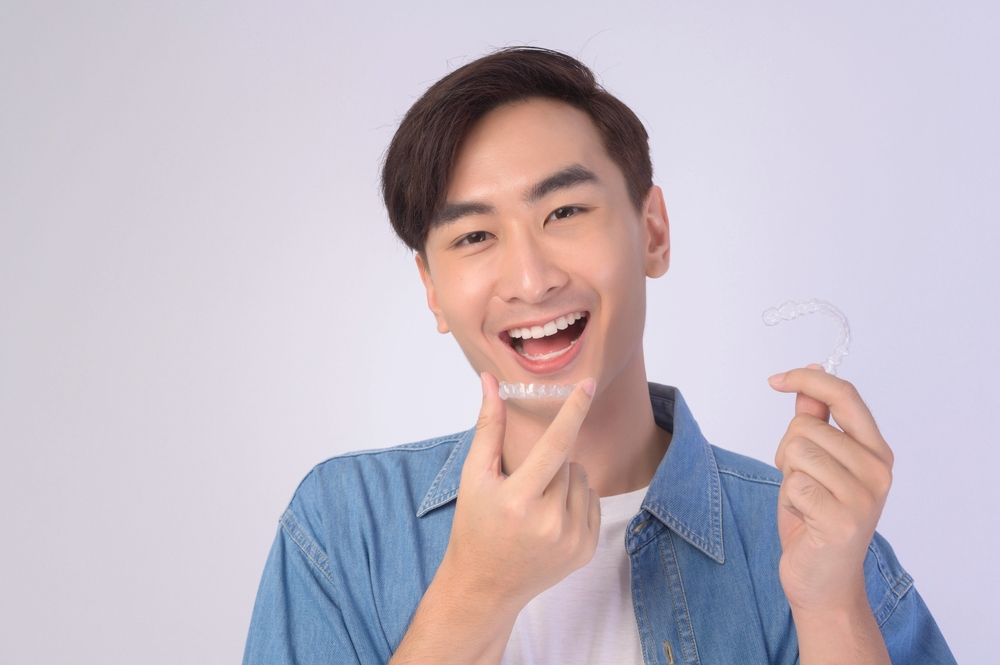
Clear, removable aligners gently shift teeth over time. Invisalign is a discreet and popular choice for mild to moderate bite correction.

Early Orthodontic Treatment

For children, jaw alignment and bite patterns can be guided using growth modification devices like headgear or palate expanders. Starting early reduces the risk of severe jaw development issues later. According to Dr. Taylor Kauffman, a board-certified orthodontist in New Braunfels, TX, early intervention with growth modification devices ensures optimal jaw alignment and minimizes complex procedures later.

Surgical Treatments

For severe jaw discrepancies, orthodontic procedures like orthognathic surgery may be needed. This surgery corrects significant underbite or overbite problems by repositioning the jawbone. Surgical treatment often combines with braces or aligners for the best results.

Why Bite Correction Is Important

Bite correction is about more than straight teeth; it’s about improving oral and jaw health. A properly aligned bite ensures chewing efficiency, prevents tooth wear, and supports normal jaw functionality. It can even reduce temporomandibular joint dysfunction symptoms like jaw pain or headaches.

Patients also report boosted self-confidence post-treatment. Achieving optimal bite alignment helps patients look and feel their best while promoting long-term oral hygiene.

Cost of Overbite & Underbite Treatment in Houston and Richmond, TX

The cost to fix an overbite or underbite is different for every patient. Your price depends on how severe the bite is and the type of treatment you need.

Mild bite problems are often treated with braces or clear aligners. These options usually cost between $3,500 and $7,500. More complex cases may need appliances or jaw surgery, which cost more and take longer.

Life After Treatment

Finishing treatment is a big step, but keeping your smile straight takes care.

  1. Retention Phase: Wear your retainers as directed. Retainers keep your teeth from shifting back to their old positions.
  2. Oral Hygiene and Aftercare: Brush and floss every day to keep your teeth and gums healthy. Visit your dentist for regular checkups. Avoid chewing on hard items like ice or pens that could damage your teeth. Follow your orthodontist’s aftercare plan to make sure your smile stays straight for years.
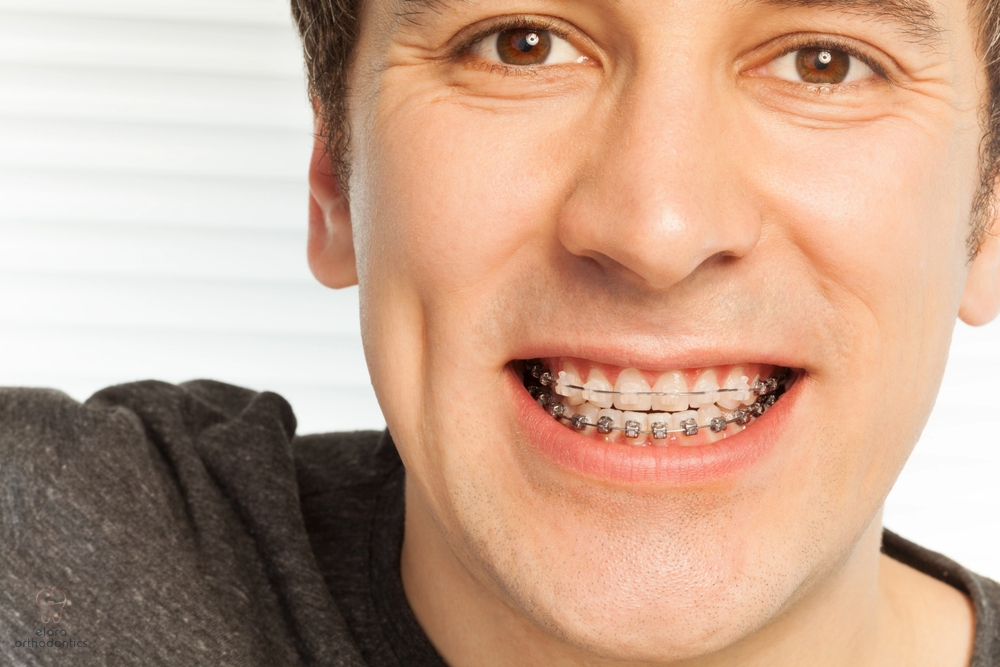
happy young man with metal braces - Overbite vs Underbite in Houston and Richmond, TX.

Why Choose Elara Orthodontics in Houston and Richmond?

Elara Orthodontics offers top-tier orthodontic services with a focus on personalized care. Here’s why families trust us for their orthodontic needs:

  • Expert Orthodontists: Our team specializes in bite correction, ensuring each patient gets expert treatment.
  • Advanced Technology: We use imaging tools like 3D scans, digital x-rays, and growth analysis to develop precise treatment plans.
  • Flexible Treatment Options: From braces to Invisalign and other orthodontic procedures, we offer solutions for patients of all ages.
  • Affordable Financing Options: With multiple payment plans, treatment is budget-friendly while meeting your smile goals.

Start Your Journey to Better Bite Health

If you’ve been struggling with an overbite, underbite, or other bite problems, Elara Orthodontics is here to help. Our team offers evaluations, imaging, and treatment plans to create a healthier, more confident smile.

Call Elara Orthodontics today to schedule your consultation in Houston or Richmond, TX. With a personalized treatment process, expert care, and flexible financing options, we’ll help you take the first step toward the smile you’ve always wanted.

About The Authors

Dr. Sam Elkenawy – Orthodontist in Houston and Richmond, TX

Dr. Taylor Kauffman – Orthodontist in New Braunfels, TX

Frequently Asked Questions

Can you fix an overbite completely?

Yes, in most cases, you can fix an overbite fully. It may take time and patience, but the right treatment can give you the smile you want. Your dentist or orthodontist may suggest braces, clear aligners, or surgery for severe cases. Starting treatment early often helps. Always follow your dentist’s advice closely. Every smile is different, so your plan will be made for you.

At what age should I fix an underbite?

The best age to fix an underbite depends on the case. Many dentists check children at age 7 to see if early care is needed. But teens and adults can still fix an underbite with great results. Options may include braces, aligners, or surgery in harder cases. The most important step is to see a dentist or orthodontist. They can tell you the best time to start. Remember, it’s never too late to fix your bite and improve your smile.

Will Invisalign correct an underbite?

Yes, Invisalign can help correct an underbite in many cases. These clear aligners slowly move your teeth and jaw into the right spot. Invisalign works best for mild to moderate underbites. Severe cases may need other treatments too. Since every smile is different, the results can vary. The best way to know is to ask your dentist or orthodontist. They will check your case and guide you to the best plan for a healthy, even smile.
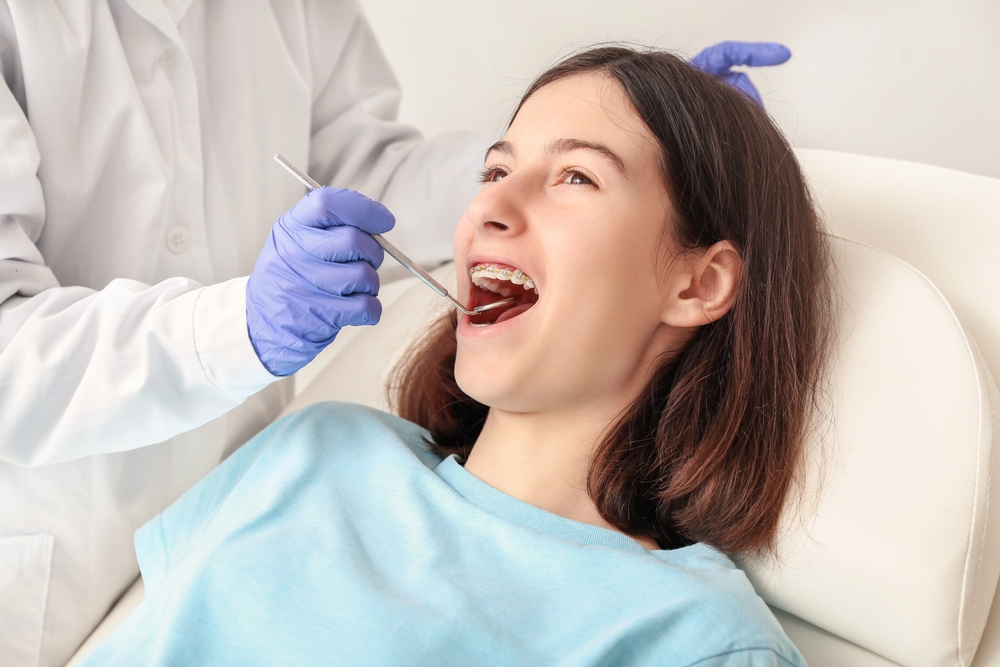

Braces for Overbite in Richmond and Houston, TX

Looking for information about braces for overbites in Richmond or Houston, TX? You’re in the right place. Braces are one of the best treatment options for correcting bite problems like overbites, helping you achieve proper tooth alignment and a confident smile.

little teenage girl metal braces smiling holding hair - braces for overbite in Richmond and Houston, TX.

What Is an Overbite?

An overbite occurs when your upper front teeth overlap your lower front teeth. Dr. Mark Komforti, a trusted family orthodontist in St. Augustine, FL, explains that this extra overlap can be mild or severe, and a full checkup is the best way to know which one you have. Some overlap is normal, but when the overlap is too large, it can cause issues like misalignment, chewing difficulties, or irritation in your jaw. This condition may also be called a deep bite or malocclusion.

Why Do Overbites Happen?

Several factors can lead to the development of an overbite. Genetics often play a role since the shape of your jaw and bite pattern can be inherited. Childhood habits, such as thumb-sucking, pacifier use, or tongue thrusting, may also contribute to bite problems.

In some cases, uneven jaw growth causes alignment issues like an overjet, where the upper teeth stick out farther than normal.

Why Fixing Overbites Matters

Ignoring an overbite can cause serious problems over time. These include:

  • Tooth Damage: Excess overlap increases the risk of chipping, cracking, or wearing down teeth.
  • Jaw Pain: Overbites can strain the jaw joint (TMJ), leading to discomfort or headaches.
  • Chewing Difficulties: Misalignment makes biting and chewing less effective.
  • Speech Issues: Severe overbites may affect speech clarity, causing a lisp.
  • Confidence Problems: Crooked teeth or a misaligned smile can impact how you feel about your appearance.

Correcting an overbite not only enhances your smile but also improves bite function and overall oral health.

The Treatment Process at Elara Orthodontics

At Elara Orthodontics, we use advanced technology and years of orthodontic specialty experience to ensure great results.

First Step: Consultation and Evaluation

Your treatment begins with an orthodontic consultation. During this visit, we’ll:

  • Conduct X-rays or 3D imaging to evaluate your teeth and jaw.
  • Diagnose any alignment or bite irregularities.
  • Develop a custom treatment plan based on your bite correction needs.
  • Discuss your treatment options and financing plans.

Every treatment journey is customized to match your smile goals and bite complications.

How Do Braces Correct Overbites?

Braces straighten teeth by applying gradual pressure. With each adjustment, your teeth move closer to their ideal position, and the jaw realigns over time. Here’s how braces improve overbites:

Brackets and Wires

Brackets are bonded to your teeth, and archwires connect them. These wires gently move your teeth into alignment.

Rubber Bands (Elastics)

Elastics are attached to brackets, helping shift the jaw to correct overjets and overbites. As Dr. Fateh Arslan, the best orthodontist in San Antonio, TX, explains, consistent use of elastics is crucial for aligning the jaw and achieving a balanced bite.

Bite Turbos or Expanders

Devices like bite turbos reduce overlap, and expanders create space when the mouth is too crowded.

This step-by-step approach ensures safe, healthy tooth movement while improving bite function.

Braces and Treatment Options at Elara Orthodontics

At Elara Orthodontics in Richmond and Houston, TX, we offer a variety of orthodontic services to correct overbites:

  • Metal Braces: The most common option, offering effective correction for all types of alignment and bite problems.
  • Ceramic Braces: These braces blend with your teeth for a subtle, aesthetic look.
  • Invisalign: Clear aligners are great for mild to moderate overbite correction and provide flexibility since they’re removable.
  • Headgear: For severe cases, headgear is sometimes needed as part of the treatment.

We’ll recommend the best treatment methods based on your orthodontic evaluation, lifestyle, and goals.

Life With Braces: What to Expect

Foods to Avoid

Avoid certain foods to keep your braces safe and your mouth comfortable. Stay away from sticky candy like caramel or taffy, hard snacks like nuts, popcorn, and hard candy, and crunchy foods like raw carrots or apples unless they are cut into small pieces.

Choose soft foods instead. Yogurt, pasta, mashed potatoes, and bananas are all gentle on your teeth and braces and make eating easier during treatment.

Maintaining Oral Hygiene

It’s important to keep your teeth and braces clean throughout your treatment. Use these tips:

  • Interdental Brushes: These help clean between brackets and wires.
  • Floss Threaders: These tools make flossing under wires much easier.
  • Water Flossers: A convenient way to rinse around braces and remove food particles.

Good oral hygiene prevents cavities, gum issues, and delays in your treatment timeline.

Handling Repairs or Emergencies

Occasionally, brackets may loosen or wires may slip out of place. If this happens, contact our office. At Elara Orthodontics, we offer same-day repairs to keep your treatment on track.

After Braces: Retainers and Maintenance

Once your braces come off, wearing a retainer is crucial to maintaining your new smile. Retainers prevent teeth from shifting and are part of your long-term orthodontic care.

At Elara Orthodontics, we offer several types of retainers:

  • Hawley Retainers: Made of durable plastic and metal.
  • Clear Retainers: Less visible but equally effective.
  • Fixed Retainers: Bonded to the back of your teeth for added stability.

Wearing your retainer ensures your results stay permanent.

smiling girl metal braces her teeth - braces for overbite in Richmond and Houston, TX.

Why Choose Elara Orthodontics?

Families in Richmond and Houston trust Elara Orthodontics for their orthodontic needs. Here’s why:

  • Experienced Orthodontists: Our team has specialty training and years of experience correcting bite complications and alignment issues.
  • State-of-the-Art Technology: We use 3D imaging and advanced treatment tools to create precise, effective treatment plans.
  • Patient-Focused Care: We work hard to ensure every patient is comfortable and satisfied with their treatment experience.

From bite correction to smile transformation, Elara Orthodontics is proud to deliver exceptional orthodontic care in a friendly, welcoming environment.

Start Your Overbite Correction Journey Today

Fixing your overbite is a big step toward improving your confidence and dental health. At Elara Orthodontics, we’re here to guide you through the process every step of the way.

Contact us today to book your first appointment. Let’s work together to achieve the smile you’ve always wanted!

About The Authors

Dr. Sam Elkenawy – Orthodontist in Richmond and Houston, TX

Dr. Fateh Arslan – Orthodontist in San Antonio, TX

Frequently Asked Questions

What is the best age to fix an overbite?

The ideal age is usually during the pre-teen or early teen years, when the jaw is still developing and easier to guide. But it’s never too late, overbites can be treated at any age. An orthodontist can examine your bite and recommend the best time to start treatment.

How will my face change after fixing an overbite?

Fixing an overbite can make your face look more balanced. Your chin may look more defined, your lips will align better, and your smile will appear wider and more natural. Many people also notice improved jawline shape and overall facial harmony.

What is the fastest way to fix an overbite?

The quickest solution depends on your case. Braces or clear aligners like Invisalign often work well and can show results within months. For severe overbites, surgery may be the fastest option. Your orthodontist can suggest the most efficient treatment plan for you.

How Long Does Invisalign Take in Richmond and Houston, TX

Are you asking, “How long does Invisalign take in Richmond and Houston, TX?” This article explains the factors that can influence Invisalign treatment duration and how patients in Richmond and Houston, TX, can stay on track for great results.

brunette girl wearing pink shirt purple background holding Invisalign clear aligners - how long does Invisalign take in Richmond and Houston, TX.

How Long Do Most People Need Invisalign?

The average Invisalign treatment duration is typically 12 to 18 months, although some minor cases can take as little as six months, while complex ones may extend beyond two years. The exact timeframe depends on individual factors like the severity of misalignment, presence of bite issues, and the level of patient compliance.

Each aligner is worn for around one to two weeks before progressing to the next set. This steady and subtle movement guides your teeth into proper alignment.

Factors That Affect Invisalign Treatment Time

Several factors can influence how long Invisalign takes:

Severity of Teeth Misalignment

Straightforward cases like mild spacing or crowding typically require shorter treatment duration, whereas more complex issues, such as a crossbite or severe overbite, extend treatment length.

Age

Younger patients often see quicker results because their teeth tend to move more easily. Adults, however, can still achieve great outcomes with slightly longer timeframes.

Compliance

Aligners must be worn consistently. Patients who remove their aligners too often or fail to follow the prescribed schedule risk a longer treatment process. As Dr. Michael Vacrar, a top orthodontist in Tallahassee, FL, emphasizes, consistent aligner wear for the recommended 20–22 hours daily is non-negotiable for seeing results within the expected timeframe.

Teeth Movement Complexity

Small adjustments to front teeth may take less time compared to more significant shifts in molars or bite correction.

Can Treatment Go Faster?

While Invisalign has estimated timeframes, there are steps you can take to speed up the process:

  • Wear your aligners for the required 20–22 hours daily. Removing them too often slows progress.
  • Switch aligners as instructed by your orthodontic provider to keep the treatment schedule on track.
  • Clean teeth and aligners properly to prevent unnecessary delays from cavities or gum issues during treatment.

Innovative technology, such as digital scans and 3D planning, can also streamline the process.

Why Fix Crooked Teeth?

Untreated teeth misalignment leads to more than just cosmetic concerns:

  • Misalignments such as overbites, underbites, or crossbites can strain your jaw and lead to discomfort or long-term damage.
  • Oral Health Risks: Crooked teeth create hard-to-reach areas when brushing, increasing the chances of cavities, gum disease, and poor oral hygiene.
  • Improved Confidence: A straighter smile enhances self-esteem at any age, whether you’re attending school, advancing in a career, or planning major life events in Richmond or Houston.

Addressing these concerns can have a lasting impact on overall lifestyle and physical health.

Why Choose Elara Orthodontics in Richmond and Houston, TX?

Elara Orthodontics provides advanced Invisalign treatment tailored to your needs. With a focus on teeth straightening experience, Elara ensures each patient gets a custom treatment plan using advanced tools like digital impressions and 3D imaging. The clinic’s commitment to progress monitoring and patient satisfaction guarantees smoother adjustments and better outcomes.

Located to serve families in Richmond and Houston, Elara Orthodontics combines convenience with a state-of-the-art approach to aligner production, making the Invisalign process seamless for its patients.

How Much Does Invisalign Cost in Richmond and Houston?

The cost of Invisalign in Richmond and Houston varies based on treatment complexity and case duration. On average, families can expect prices ranging between $3,500 and $7,000 for complete treatment.

Insurance Coverage and Financing Options:

  • Many insurance companies in Texas cover a portion of Invisalign costs under orthodontic benefits.
  • Flexible payment plans and financing options are also available to make treatment more affordable.
  • Patients with HSA or FSA accounts can reduce out-of-pocket costs further.

Elara Orthodontics provides patients with detailed cost breakdowns during their initial consultation to explore the best options for their budget.

How to Start Your Invisalign Journey

Step 1: Schedule Your Consultation

Visit Elara Orthodontics to receive a personalized assessment. During this visit, the orthodontist will evaluate your teeth’s alignment, bite, and overall suitability for Invisalign treatment.

Step 2: Treatment Planning

Using advanced digital scans and detailed imaging, your orthodontist will create a step-by-step roadmap to achieve your smile transformation goals. You’ll receive a timeline for your treatment options and understand expected results.

Step 3: Begin Treatment

Your custom set of aligners will be created and fitted. Follow your treatment plan closely and attend regular monitoring adjustments to stay on track.

Step 4: Celebrate Your New Smile

The end of the Invisalign process brings a straighter, healthier smile. To maintain results, you’ll receive aligner maintenance tips and retainers as part of your long-term care routine.

brunette woman wearing blue tank top holding invisalign clear aligners - how long does Invisalign take in Richmond and Houston, TX.

Start Your Invisalign Journey with Confidence

Wondering how long Invisalign will take for your smile? At Elara Orthodontics in Richmond and Houston, TX, we create a personalized treatment plan based on your unique needs and show you a realistic timeline before you begin.

Schedule your Invisalign consultation today. Our team will evaluate your bite, provide a clear treatment roadmap, and discuss insurance coverage and payment options to keep your care on track.

About the Authors

Dr. Sam Elkenawy – Orthodontist in Richmond and Houston, TX

Dr. Michael Vracar – Orthodontist in Tallahassee, FL

Frequently Asked Questions

Do you brush after every meal with Invisalign?

Keeping your teeth clean is key, but you don’t have to brush after every single meal. At the very least, rinse your mouth with water after eating or drinking anything besides plain water. If you can, give your teeth a quick brush. Always take out your aligners before eating and pop them back in once your teeth are clean. This keeps your smile healthy and your treatment on track!

Is Invisalign painful to wear?

Good news, Invisalign usually isn’t painful! You might feel a little pressure or tightness when you switch to a new set of aligners, but that just means they’re working. The feeling usually goes away after a few days as your teeth adjust. Plus, Invisalign’s smooth plastic makes it much more comfortable than metal braces. Most people find the experience easy and pain-free.

Can I leave my Invisalign out for 3 hours?

It’s best to wear your Invisalign aligners 20–22 hours a day, but leaving them out for 3 hours once in a while won’t ruin your progress. If you have a long meal or a special event, just put them back in as soon as you can. Try to wear them a bit longer the next day to stay on track.

Can Invisalign Fix Overbite in Houston and Richmond, TX

Are you wondering, “Can Invisalign fix overbite in Houston and Richmond, TX?” Invisalign can be a fantastic solution for fixing overbites in Houston and Richmond, TX. These clear aligners are not just for straightening teeth; they’re also great for correcting various bite issues, including overbites.

The good news is that clear aligners can help many cases. Invisalign aligners can guide teeth into a healthy bite. With a clear treatment plan and steady wear, you can see real change.

Young woman showing Invisalign aligner case – can Invisalign fix overbite in Houston and Richmond, TX.

Understanding Overbite Correction with Invisalign

What is an Overbite?

An overbite is the vertical overlap of the front teeth. A mild overbite is normal. A deep overbite can cause bite problems. It can stress the jaw and lead to jaw pain. It can also chip or wear the front teeth.

How Invisalign Addresses Overbite

How Aligners Work

Invisalign treatment uses a series of clear trays. Each tray makes small changes to tooth position. Over time, teeth move toward better alignment and bite correction. For overbite correction, many trays include built-in bite ramps. These ramps help reduce heavy front contact and guide the bite.

Attachments and Elastics

Small, tooth-colored bumps called attachments give trays a better grip. They improve control and effectiveness. Many overbite cases also use elastics. Elastics help guide the jaw and improve bite function. Your doctor will show you how to place and wear them. According to Dr. Jeryn Jacob, a top orthodontist in Sunnyvale, TX, pairing well-placed attachments with properly worn elastics often speeds overbite correction without sacrificing comfort.

Braces vs Aligners

Both braces and Invisalign can treat overbite. Braces may be best for very complex malocclusions. Invisalign aligners work well for many mild to moderate cases. They offer removability, comfort, and easier oral hygiene. The right choice depends on your goals, bite records, and compliance.

Results and Effectiveness

With good wear, Invisalign results for mild to moderate overbite are strong. Wear trays 20 to 22 hours a day. Change trays on schedule. Use elastics as directed. These steps improve effectiveness and can shorten treatment length.

Invisalign Technology for Bite Correction

Advanced Technology

We use computer technology for treatment planning. It shows how each tooth can move over time. It lets us check staging for safe bite correction. It supports clear treatment goals and better customization.

3D imaging and scanning

Our Houston and Richmond offices use 3D imaging and iTero digital scanning. No messy molds. Scans give precise bite records from many angles. We can study the jaw, overbite, and alignment in detail. This helps us choose the right treatment methods.

SmartTrack material

SmartTrack is the aligner plastic. It delivers a steady, gentle force. It fits well for better comfortability and control. This helps keep treatment duration on track.

Severity Levels and Treatment Eligibility

Mild to moderate overbite

Most mild to moderate overbites are good fits for Invisalign treatment. Attachments, bite ramps, and elastics add control. We will review treatment options at your consultation.

Severe overbite and alternatives

A severe overbite may need braces, special devices, or in rare adult cases, jaw surgery. We explain all alternatives, pros, and cons. Our aim is safe, stable bite function with the least risk.

Age factors

Teens and adults both do well with Invisalign aligners when wear is good. Younger patients can respond faster, as growth helps change. Adults can still reach great smile alignment.

Local case notes

Patients in Houston and Richmond have seen strong progress with overbite correction. Good compliance and timely orthodontist adjustments make a big difference.

Invisalign Overbite Treatment in Houston and Richmond

The Invisalign Process for Overbite Correction

  • Your visit starts with a consultation. We review bite issues, goals, and health history. We take digital impressions and detailed bite records. We then design a customized treatment plan with ClinCheck. You will see a preview of likely Invisalign results and bite correction.
  • We schedule visits to check fit, progress, and comfort. Some check-ins can be virtual. If needed, we adjust the plan to keep movement safe and on time. This keeps your treatment goals clear and your progress steady.

Treatment Timeline for Overbite Correction

Average treatment duration

Many overbite cases take 9 to 18 months. Some finish faster. Some take longer. The time depends on depth of overbite, crowding, and your compliance.

What affects time

Severity, age, bone response, and elastic wear all matter. Missed wear can add weeks or months. Good habits protect your timeline and cost.

Aligner change and visits

Many patients change trays every 7 to 14 days. Office visits are often every 8 to 12 weeks. We may adjust this based on progress and comfort.

Milestones

Early weeks aim to ease heavy front contact. Mid-phase focuses on leveling and improving bite. Late-phase polishes the bite so contact is even and stable.

Compliance Requirements

  • Wear aligners 20 to 22 hours a day. Remove only for eating, hot drinks, and brushing. Strong compliance is the key to success.
  • Do not leave trays in a hot car or in direct sun. Heat can warp plastic. Rinse after spicy or saucy meals. Brush your teeth and aligners with cool water and mild soap. Good oral hygiene prevents stains and odors.
  • Remove aligners for meals and snacks. Drink only water with trays in. This protects enamel and trays and supports gum health.
  • Most patients adapt in a day or two. Reading out loud helps. If you notice speech issues at first, they fade fast.

Advantages of Choosing Invisalign for Overbite in Houston and Richmond

  • Clear trays are hard to see at work, school, or events. Photos look natural during care.
  • Removability makes eating easy. You can brush and floss like normal. This lowers cavity and gum risk.
  • No sharp brackets or pokey wires. Smooth trays feel better in Texas heat and humidity. Comfort supports better compliance.

Lifestyle Compatibility

  • Sports and active lifestyle accommodation in Texas
  • Sports and activities aligners are great for sports. Use a mouthguard if advised. There is no risk of wire breaks.
  • Professional needs Invisalign fits a business dress code and client meetings. It supports a polished look.
  • Enjoy Texas cuisine with no long food list to avoid. Just remove trays to eat. For travel, pack a case, a small brush, and extra aligners.
Smiling man holding Invisalign aligner – can Invisalign fix overbite in Houston and Richmond, TX.

Post-Treatment Retention

  • Retainers hold teeth in place after treatment. Most patients wear them full-time at first, then at night long term. We will guide your plan.
  • Good retainer wear protects your investment. It supports long-term bite function and smile alignment. It helps prevent relapse.
  • We set follow-up checks in Houston and Richmond. We can replace worn retainers and review maintenance. Call us if a retainer feels tight or loose.d Richmond Patients

Cost and Financial Information

  • Cost depends on case complexity and treatment length. We review fees at your consultation. You will get a clear estimate and financing options. We aim for fair cost and clear value.
  • Many Texas plans cover part of Invisalign or braces. Benefits vary by plan and network. We check coverage, waiting periods, and any pre-authorization rules. We help you use your benefits well.
  • We offer in-house plans and third-party options. Many plans are interest free. HSAs and FSAs can cut your out-of-pocket cost. We set monthly payments to fit your budget.

Choosing an Invisalign Provider in Houston and Richmond

  • Choose a team with strong overbite correction experience. Ask about Invisalign certification levels and case numbers. Ask to see sample cases like yours.
  • What treatment methods will you use for my overbite? Will I need attachments or elastics? How long will my treatment duration be? How often will I need orthodontist adjustments? How will you monitor progress? How do you handle refinements?
  • Pick the office that fits your daily route. We have Houston and Richmond locations for easy appointment scheduling. We offer early, lunch, or late visits when we can.

Scheduling Your Consultation

At your first visit, we scan your teeth, take photos, and study bite records. We review your jaw, alignment, and bite issues. Then we share a clear plan with steps, goals, and a timeline. We also review cost, insurance coverage, and financing.

Bring your ID, insurance card, any past X-rays, and a list of meds. We offer virtual consultation options for busy Texas residents in Houston and Richmond. You can start the Invisalign process with simple next steps.

About the Authors

Dr. Sam Elkenawy – Orthodontist in Houston and Richmond, TX

Dr. Jeryn Jacob – Orthodontist in Sunnyvale, TX

Frequently Asked Questions

What is the 30-minute rule for Invisalign?

The 30-minute rule for Invisalign is super simple and easy to follow. Basically, you can take out your aligners for up to 30 minutes each day without messing up your treatment plan. This gives you a bit of flexibility for those special occasions or important meetings where you might want to remove them briefly.

How to get Invisalign for free?

Well, it’s not exactly a walk in the park, but there are a few ways you might be able to make it happen. First, check if your dental insurance covers orthodontic treatment – some plans might surprise you! Next, look into dental schools in your area; they often offer discounted or even free treatments as part of their training programs.

Can Invisalign completely fix an overbite?

Yes, it can! Invisalign has come a long way and can now tackle a variety of dental issues, including overbites. But, it’s important to remember that every smile is unique, and the effectiveness of Invisalign depends on the severity of your overbite. For mild to moderate cases, Invisalign can work wonders. But for more severe overbites, your orthodontist might recommend additional treatments or traditional braces.

How to Fix Overbite in Richmond and Houston, TX

If you need to know how to fix overbite in Richmond or Houston, TX, the first step is to visit a local orthodontist. They’ll likely suggest treatments like braces or Invisalign, which are popular and effective ways to correct an overbite. For those who prefer a more discreet option, Invisalign is a clear aligner that gradually shifts your teeth into the desired position. Braces, on the other hand, are a tried-and-true method that can handle more severe cases.

Dentist and patient smiling in a modern clinic, discussing personalized treatment options on how to fix overbite in Richmond and Houston, TX.

Understanding Overbite

What Is an Overbite?

An overbite happens when your top front teeth overlap your bottom teeth. Some overlapping is normal, but too much can cause problems. Orthodontists measure an overbite by how much your upper teeth stick out over your lower teeth.

Types of Overbite

There are two main types of overbites:

  • Skeletal Overbite: This is caused by the size or position of your jaw.
  • Dental Overbite: This results from how your teeth are positioned.

Both types can be treated, but the treatment depends on the cause.

Causes of Overbite

Overbites can happen because of:

  • Genetics: You may inherit a jaw shape that causes an overbite.
  • Childhood Habits: Thumb sucking, pacifiers, or teeth grinding can lead to overbites.
  • Tooth Loss: Losing baby teeth too early or keeping them for too long can also contribute.

The cause of your overbite will help the orthodontist choose the best treatment.

Why Fix an Overbite?

If left untreated, an overbite can cause:

  • Oral Health Problems: Overbites increase the risk of cavities and gum disease. Teeth can also wear down faster.
  • Jaw Pain: Misaligned teeth can strain your jaw, causing pain or discomfort.
  • Speech Issues: In some cases, an overbite can make it harder to speak clearly.
  • Appearance Concerns: Many people feel less confident if they have a noticeable overbite.

Fixing an overbite can protect your oral health and improve your confidence.

Evaluation and Diagnosis

First Consultation

During your first visit, an orthodontist will check your bite and measure your overbite. They will also ask about any pain or concerns you may have.

X-rays and Imaging

X-rays and 3D images are important. These tools help the orthodontist see how your jaw and teeth are aligned. This information allows them to create an accurate treatment plan tailored to your needs.

Creating a Treatment Plan

After the evaluation, the orthodontist will recommend a plan that fits your age, the severity of your overbite, and your oral health. They will explain your options and answer any questions you have.

How to Fix Overbite in Richmond and Houston: Treatment Options

Braces for Overbite

Braces are one of the most trusted ways to fix overbites. They use metal brackets and wires to slowly move teeth into proper positions. Braces today are smaller and more comfortable than in the past. Ceramic braces are also available if you prefer a less noticeable option.

Orthodontist holding a clear aligner, demonstrating how to fix overbite in Richmond and Houston, TX with discreet and removable treatment.

Invisalign: A Clear Option

Invisalign uses clear aligners to move teeth. These aligners are discreet and removable, making them a great choice for people who want a less visible treatment. Invisalign works best for mild to moderate overbites.

Female orthodontist explaining x-ray results to a male patient, outlining steps on how to fix overbite in Richmond and Houston, TX effectively.

Benefits of Invisalign include:

  • Aligners are almost invisible.
  • No need to avoid your favorite foods since aligners are removable.
  • Easy brushing and flossing compared to braces.

Bite Correctors and Appliances

Bite correctors or jaw-positioning devices can also be used. These appliances help move the lower jaw forward to fix the overbite. They are often used for kids and teens but may also help some adults.

Jaw Surgery for Severe Overbite

If an overbite is severe, jaw surgery may be needed. Surgery is typically for adults with skeletal overbites that braces or Invisalign cannot fix. This procedure adjusts the jaw for better alignment.

Jaw surgery highly effective ways to fix overbites, and your choice mainly depends on your specific needs. In some cases, reaching out to a professional like Dr. Julian Davila, an experienced orthodontist in Indianapolis, IN, can be helpful, especially if you’re exploring advanced options outside of Texas.

Orthodontic Process

What to Expect

  1. Consultation: The orthodontist checks your teeth and discusses treatment options.
  2. Treatment Begins: Braces, Invisalign, or appliances are placed or fitted.
  3. Routine Adjustments: Regular visits are needed to monitor progress and make changes.
  4. Treatment Ends: Braces or aligners are removed when your teeth are aligned.

Using Technology to Help

Modern orthodontists use advanced tools like 3D images, digital X-rays, and computer-driven treatment plans. These tools make the process faster and more accurate.

After Treatment: Retainers and Care

Retainers to Maintain Your Smile

After your braces or aligners come off, you will need a retainer to keep your teeth in place. Retainers are essential for preventing your teeth from shifting back to their original position.

Keeping Your Teeth Healthy

During and after treatment, good oral care is important. Follow these tips:

  • Brush at least twice daily.
  • Floss regularly.
  • Clean your retainer or Invisalign trays carefully.

Regular check-ups with your dentist will also help you maintain a healthy smile.

Costs and Financing

Cost of Treatment

The cost of fixing an overbite depends on what you need. On average:

  • Braces cost between $3,000 and $7,000.
  • Invisalign may cost $4,000 to $8,000.
    Surgery, if required, can be more expensive.

Payment Plans in Richmond and Houston, TX

Many orthodontists in Richmond and Houston, like Dr. Sam Elkenawy, offer payment plans to make treatment affordable. Be sure to ask about financing during your consultation.

Choosing the Right Orthodontist

When selecting an orthodontist, look for these things:

  • Experience: Choose a provider who has experience in treating overbites.
  • Reputation: Check online reviews or ask others for recommendations.
  • Convenience: Pick a location close to you in Richmond or Houston for easy visits.

Scheduling your first consultation is the first step in your journey to a healthier and more confident smile.

About the Authors

Dr. Sam Elkenawy – Orthodontist in Richmond and Houston, TX

Dr. Julian Davila – Orthodontist in Indianapolis, IN

Frequently Asked Questions

How much does it cost to fix an overbite?

You might be looking at anywhere from $3,000 to $8,000 for braces, which is a common solution. If you’re considering Invisalign, the cost could be similar, sometimes a bit higher. For more severe cases that require surgery, the expenses could rise significantly, potentially reaching $20,000 to $40,000.

Can you completely fix an overbite?

Depending on the severity and age of the patient, options like braces, clear aligners, or even surgery might be recommended by an orthodontist. It’s amazing how modern dental technology can transform smiles and improve dental health.

At what age should an overbite be corrected?

When it comes to correcting an overbite, it’s generally a good idea to start keeping an eye on things around the age of 7. This is when kids usually have a mix of baby and permanent teeth, making it a great time for an orthodontist to assess how things are shaping up. However, don’t worry if you’re past that age! Many people get their overbites corrected during their teenage years or even as adults. The key is to have a chat with a dental professional who can give you personalized advice based on individual needs. So, whether you’re 7 or 70, it’s never too late to explore your options!