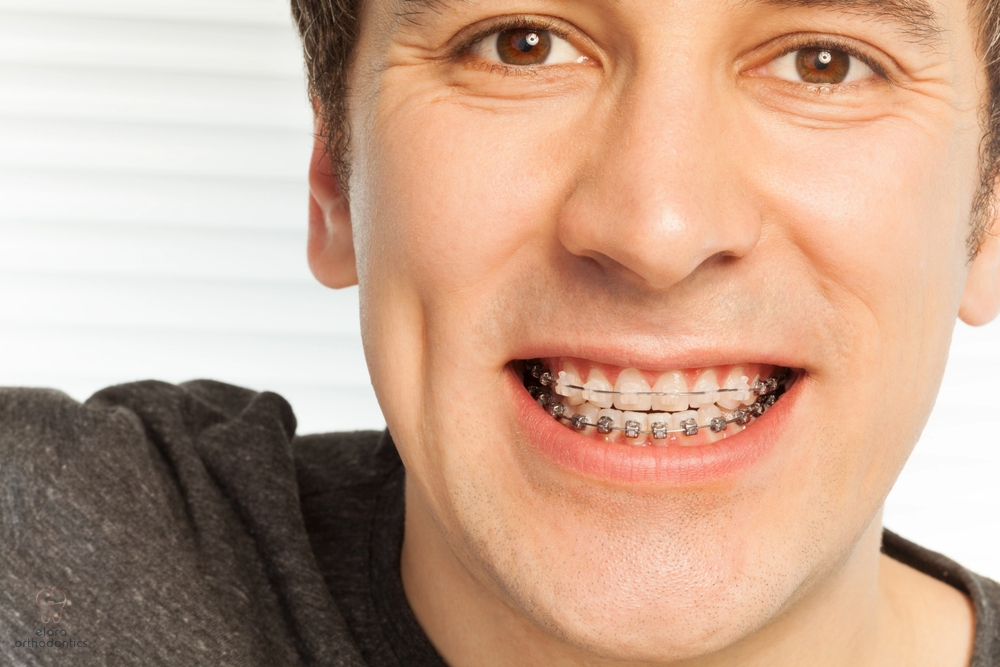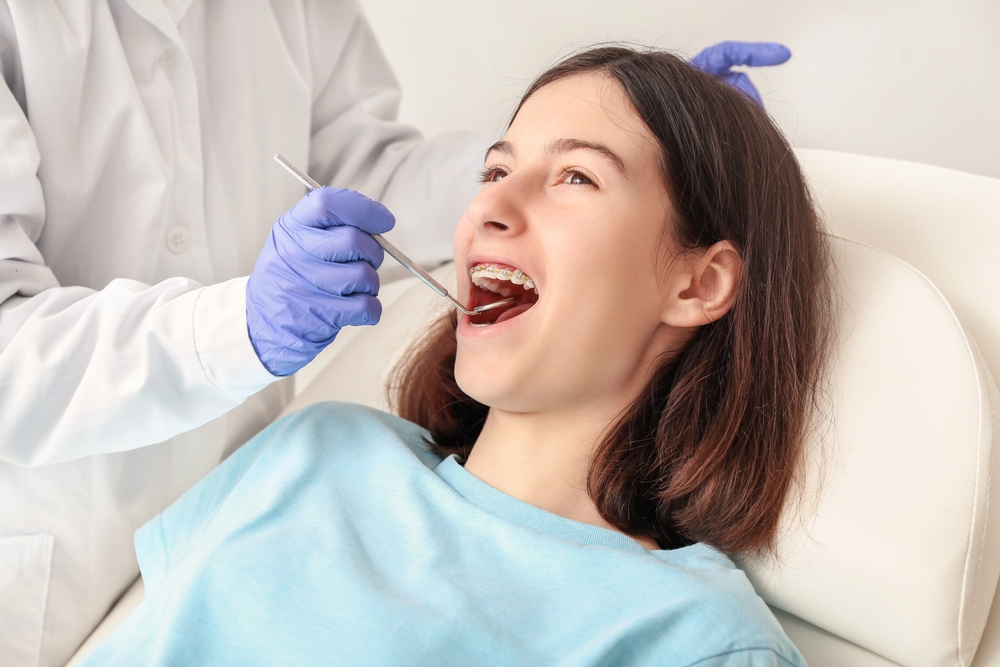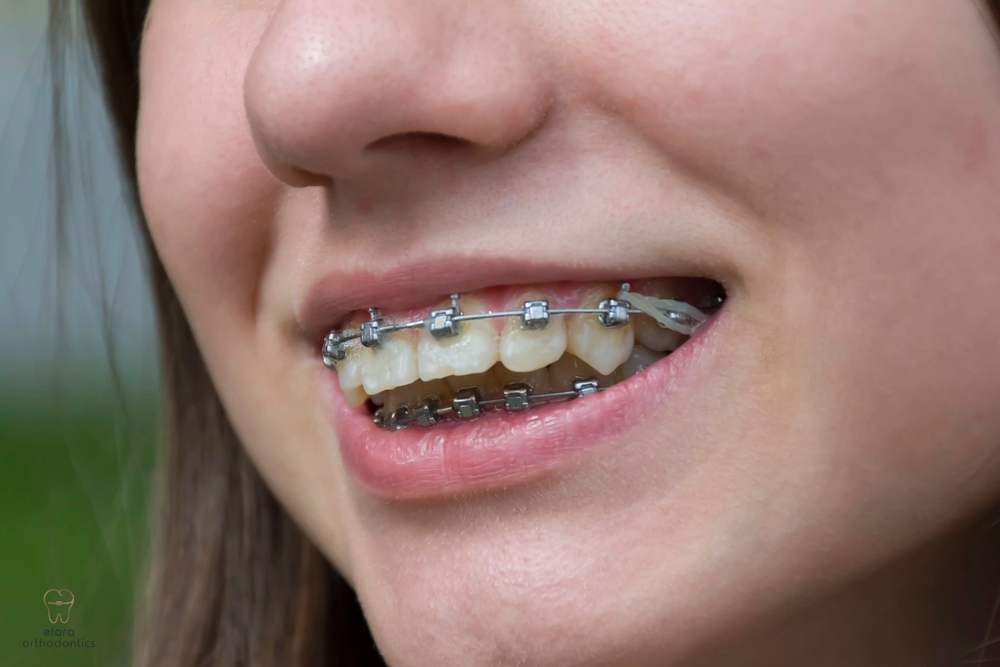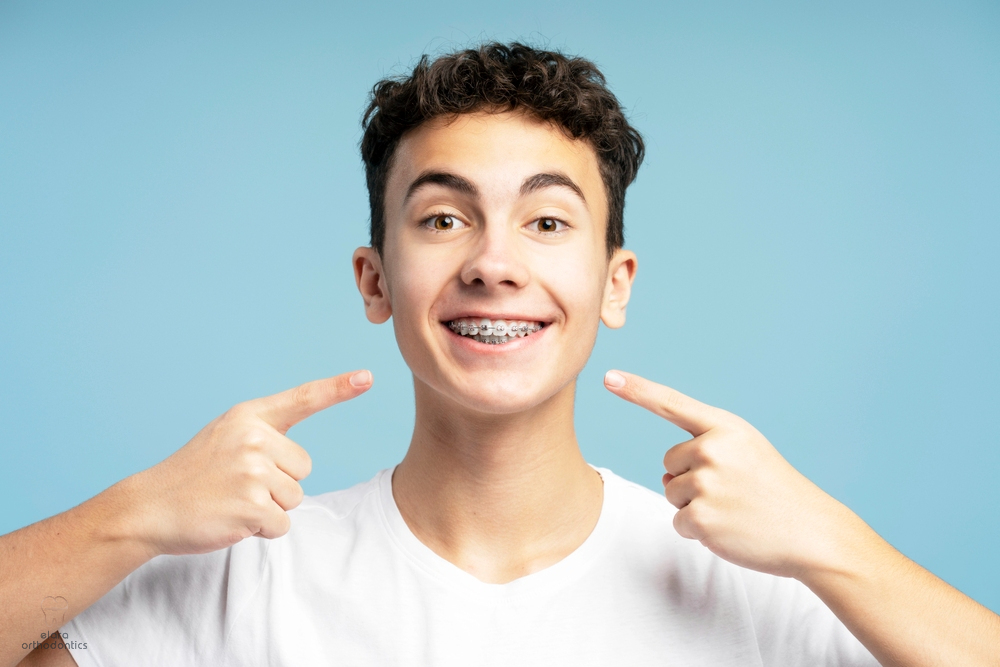
How to Clean Braces in Houston and Richmond, TX

Do you have braces and want tips on how to clean braces in Houston and Richmond, TX? You are in the right place. Proper brushing and flossing will keep your brackets and wires safe. This helps stop plaque, tooth decay, and sore gums. At Elara Orthodontics, we want to help you win. A clean mouth makes your journey much better. It leads to a healthy smile that lasts.

Continue reading to learn step-by-step tips for braces care and how to keep your smile healthy and your oral hygiene strong.

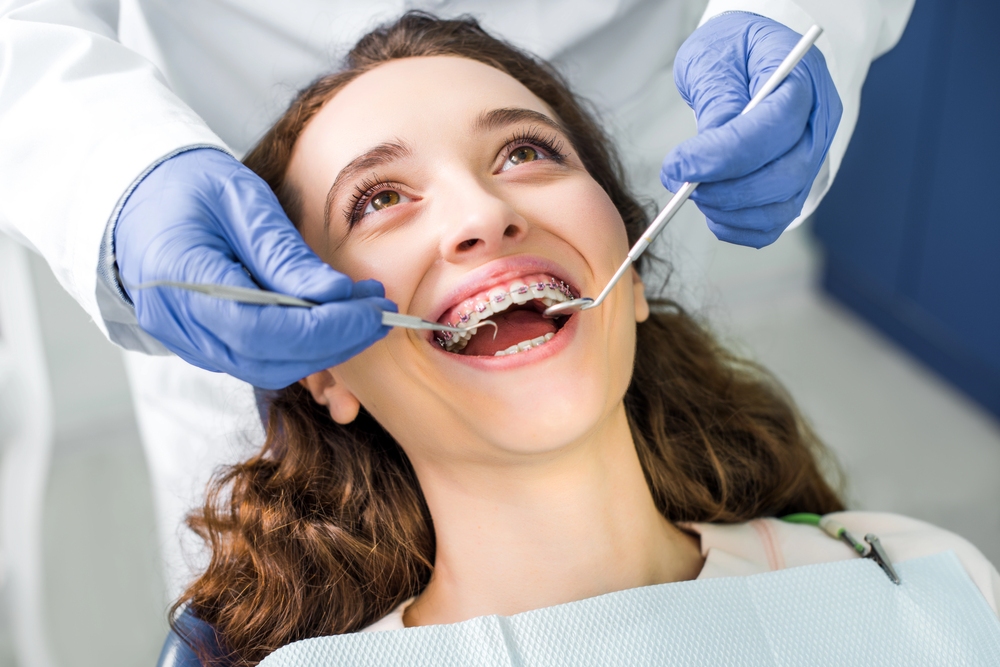
beautiful teenage girl metal braces smile street - How to Clean Braces in Houston and Richmond, TX

Why Keeping Braces Clean is Important in Texas

If you live in Houston or Richmond, you know we have great food. From BBQ to sweet treats, there are many snacks to try. Some foods are sticky. Others are very sweet. This can make cleaning a bit hard. When you wear braces, food particles get stuck in your brackets.

If you do not follow a strong oral hygiene routine, debris stays in your mouth. This debris gives bacteria a place to grow. Over time, this can make gums turn red. It can also cause white spots on your teeth. It might even lead to cavities. Good hygiene keeps your teeth straightening on track. It ensures that when the wires come off, your smile is perfect.

Step-by-Step Guide: Brushing with Braces

Use this simple guide and instructions to keep your braces clean every day. It only takes a few minutes to do it right.

Picking the Best Toothbrush

When you clean braces, a soft toothbrush is your best friend. These brushes reach around the wires and brackets. They do this without hurting your gums. Some people use an orthodontic brush. Others like an electric brush. These tools help you clean even better. Always look for soft bristles. They are gentle on your mouth but get the job done.

Using Fluoride Toothpaste

Always use a fluoride toothpaste when you brush your teeth. Fluoride makes your teeth strong. It also protects them from decay. Use a small, pea-sized bit of toothpaste each time. This helps slow down bacteria. It also fights plaque buildup on all surfaces. This is a vital part of your braces care.

Brushing Techniques for a Better Clean

Follow these easy brushing steps and cleaning methods for a great clean every day:

  • Check the angle: Hold your toothbrush at a 45-degree angle. Aim it at your gum line. This is where your teeth meet your gums.
  • Make small circles: Move the brush in gentle, small circles. This helps get rid of food particles. It also helps with plaque removal under the wires.
  • Brush every part: Brush the top and bottom of each metal bracket. Brush all around the wires and bands.
  • The back counts: Do not forget to brush the backs of your teeth.
  • Time it: Spend at least two minutes on brushing.
  • After meals: Brush after you eat. If you are at work or school and cannot brush, rinse with water. This helps wash away debris until you get home.

Flossing With Braces in Houston and Richmond

Brushing is just one part of your care routine. Flossing is also very important! But with braces, it can feel hard. The wires block the way. You will need special tools and good habits.

Using Floss Threaders

Floss threaders help you guide the dental floss under your wires. You put the floss through the loop. Then, you push it under the wire. Move it up and down against the tooth. This is a key step in oral hygiene. It removes food particles that hide between teeth. As experts like Dr. Natalia Hodge say, using a floss threader helps you reach all the tricky spots. It keeps your mouth feeling fresh.

Water Flossers and Oral Irrigators

If regular dental floss takes too much time, try a water flosser. This is also called an oral irrigator. Many people in Richmond like this tool. It uses a stream of water to clean. It is fast and easy to use around brackets. These products are gentle on sore gums. They are great for plaque removal under the wires. Many patients use water flossers every night. It is a big part of their home care.

The Best Flossing Routine

Try to floss at least once a day. Do this before bed if you can. This keeps your gum line healthy. You can also use an interdental brush if you are in a rush. This is a small brush that fits in tight spots.

Special Tools and Cleaning Aids

Taking care of your braces is easy with the right maintenance tools. Here are some items for your braces routine kit:

  • Interdental brushes: These are often called proxa brushes. These tiny interdental brushes clean between the wires and the teeth. They reach spots a regular brush might miss.
  • Mouthwash: Use a mouthwash after you brush. A fluoride mouthwash kills bacteria. It also helps stop tartar and decay.
  • Brace cleaning Tablets: Some people use brace cleaning tablets for their removable parts. These help keep everything fresh and clear.
  • Orthodontic wax: This helps if a wire pokes your cheek. It keeps you comfortable while you learn your new hygiene habits.
  • Baking soda rinse: If you see stains, a mix of baking soda and water can help. It is safe for tooth cleaning. It helps with stain removal.

Keeping a small kit in your bag is a great idea. Put a brush, toothpaste, and an interdental brush inside. This way, you can clean your braces anywhere in Houston.

Build a Strong Oral Hygiene Routine

Good braces care comes from doing the same things every day. Here are ways to make orthodontic care easy in Texas:

  1. Set alarms: Use your phone to remind you to brush after lunch.
  2. Eat right: Try to avoid sticky or sweet foods. These foods create more plaque buildup. They are also very hard to clean off the brackets.
  3. Travel kit: Keep a small kit with you for on-the-go cleaning.
  4. Use your tools: Use an interdental brush or water flosser to make the job fast.
  5. See your doctor: Visit Elara Orthodontics for regular checks. We help you find small issues before they get big.

Solving Common Braces Cleaning Problems

This section covers the most common braces challenges and how to handle them.

Stuck Food and Plaque

Texas has so many tasty treats. But things like chips or dried fruit get stuck fast. Sticky food stays on the wires. If you leave it, it turns into plaque. To fix this, drink water during and after your meal. Water helps clear out food particles. Use an interdental brush or water flosser after you eat something sticky.

Cleaning on a Busy Schedule

Life in Houston is fast! You might be busy with school or work. If you cannot brush, rinse your mouth with water. Use a small interdental brush for a quick clean. Try not to skip your brushing at night. Nighttime is when your teeth need the most protection. According to Dr. Nicholas Andros, a recommended orthodontist in Pasco, WA, brushing well every night helps stop plaque and keeps problems from starting during sleep.

Gum Issues and Bad Breath

If your gums are red or your breath is bad, bacteria may be the cause. Do not ignore this! Brush at the gum line every day. Use a fluoride mouthwash to keep your gums in good shape. This is an essential part of your braces routine.

young arab woman with metal braces breathing closed eyes street - How to Clean Braces in Houston and Richmond, TX

Why Choose Elara Orthodontics?

Elara Orthodontics wants to make your time in braces simple. We know the lifestyles of Houston and Richmond. We know the care that kids, teens, and adults need here. Our team will teach you the best braces cleaning steps.

We offer the latest tools for maintenance. We give you a clear guide for your oral hygiene routine. We know that good home care leads to a healthy smile. This smile will last long after your braces come off. Schedule a visit to get more cleaning tips. We can help with any wire or bracket issues you have.

Start Your Path to a Brighter Smile Today!

Taking good care of your braces is a big commitment. But the reward is a healthy, straight smile. At Elara Orthodontics, we guide you through every step of your treatment journey. We want you to feel proud of your teeth. Ready to see us? Call our office today to book your visit. Let’s work together to keep your smile healthy and on track for great results!

About the Authors

Dr. Sam Elkenawy – Orthodontist in Houston and Richmond, TX

Dr. Nicholas Andros – Orthodontist in Pasco, WA

Frequently Asked Questions

What should I do if my gums bleed when brushing?

Bleeding gums are often a sign that plaque is building up near the gum line. Continue brushing gently with a soft toothbrush and floss daily to improve gum health. Rinsing with an antibacterial or fluoride mouthwash can also help reduce bacteria and soothe inflammation. If bleeding continues for more than a few days, schedule a visit so we can check your gums.

Is it okay to use an electric toothbrush with braces?

Yes, an electric toothbrush can be very helpful for patients with braces. The rotating or vibrating bristles can remove plaque more efficiently around brackets and wires. Just be sure to use a soft-bristle head and move slowly across each tooth. Using gentle pressure will also help protect your gums and prevent irritation.

Do I still need regular dental cleanings while wearing braces?

Yes, professional cleanings are very important during orthodontic treatment. Your general dentist will remove tartar buildup that brushing and flossing cannot reach. These visits also support your daily cleaning routine and strengthen the overall cleaning process. Regular cleanings help prevent cavities and keep your gums healthy throughout treatment.

Retainer vs Braces in Houston and Richmond, TX

Choosing between a retainer vs braces in Houston and Richmond, TX is a big step toward improving your smile. At Elara Orthodontics, you have many treatment options that can improve your teeth alignment and give you the confident smile you want. Deciding which option is right for you depends on your needs, goals, and lifestyle.

This guide will help you understand the pros, cons, and important parts of each choice so you can make the right decision.

young middle east girl with metal braces smiling happy - Retainer vs Braces in Houston and Richmond, TX

Understanding Braces and Retainers

Below are the differences between braces and retainers, so it will give you a better understanding of which option you may need.

What Are Braces?

Braces are common tools in orthodontics. These are fixed devices made with brackets and wires. They are attached to your teeth and slowly move your teeth into the right spot. They work well for many alignment issues, like crowding, spacing, and bite correction. Braces are best for people who need big changes.

When you choose braces, you cannot take them out on your own. This means your commitment is built in from day one. You will need regular appointments for adjustments, and some food restrictions are necessary to keep the brackets and wires safe.

What Are Retainers?

A retainer is a tool for the retention phase of your treatment process. After your teeth have moved to their new place with braces or aligners like Invisalign, the retainer is there to keep that result. Some retainers are fixed in your mouth, while others are removable for extra convenience.

A retainer’s job is to hold your teeth steady. If you don’t use your retainer as advised, your teeth can shift back. That’s why commitment is still important even after active treatment ends.

How Braces and Retainers Work

This section explains how braces move teeth into place and how retainers help keep them there after treatment.

Braces: Moving Teeth into Alignment

Braces start the process of change. Once the orthodontist attaches the brackets and joins them with wires, your teeth slowly move. Every few weeks, you’ll visit the office for an adjustment. The orthodontist will tighten wires or make small tweaks for steady progress.

You may feel discomfort at first, but this is normal. It often fades quickly. Good oral hygiene and careful cleaning are a must because food can get stuck around wires and brackets.

Retainers: Holding the Results

When braces come off, or when aligners finish their job, the retention phase begins. Your retainer is now your best friend. It holds your new smile in place and protects your investment. Fixed retainers stay in the mouth, while removable ones can be taken out for eating, cleaning, or special events.

During this phase, you’ll have follow-up visits to check that your teeth stay in place. Consistency is key, skipping your retainer can undo months or even years of progress.

Types of Braces and Retainers

This section outlines the different types of braces and retainers available for orthodontic treatment.

Types of Braces

  • Traditional Metal Braces: These use strong metal brackets and wires to treat most case complexities and severe alignment problems.
  • Ceramic Braces: The brackets match your teeth’s color for better appearance, but may be less tough than metal.
  • Lingual Braces: Brackets attach behind the teeth, making them hard to see.
  • Invisalign & Clear Aligners: These aligners are smooth, clear trays you pop in and out. They’re best for mild to medium alignment issues.

Each has its own comfort level, appearance, and maintenance needs. Metal braces, while very effective, require strict oral hygiene and can cause some food and drink limits.

Types of Retainers

  • Hawley Retainers: Made of wire and acrylic, these are sturdy and can be adjusted if needed.
  • Clear Retainers (Essix): Thin, plastic trays that fit right over your teeth for a barely-there look.
  • Fixed (Bonded) Retainers: Wires attached behind your front teeth, great for people who don’t want to worry about taking them in and out.

Removable retainers are easy to clean, but you must remember to wear them as told. Fixed retainers are always at work, but make brushing and flossing a bit trickier.

Choosing Between Braces and Retainers

When picking between braces and retainers, think about these factors:

1. Case Complexity

Braces are best if your teeth are very crowded or spaced apart, or if you have bite correction needs. Retainers are used to hold teeth in place after treatment or to correct small shifts in tooth position. According to Dr. Adam Reynolds, a popular orthodontist in Madison, AL, small shifts can usually be fixed with a retainer if caught early.

2. Age and Lifestyle Considerations

Braces need steady hands and routine care, so children, teens, and adults can wear them as long as they keep up with appointments and maintenance. Retainers are ideal for older teens and adults who can handle the responsibility of remembering to wear and clean their device.

3. Appearance and Comfort

Braces are easy to see and can sometimes cause discomfort, especially at first. Clear aligners and clear retainers offer a more discreet appearance with nearly invisible results. Removable retainers are often more comfortable for daily wear.

4. Maintenance and Daily Care

With braces, you must brush and floss around brackets and wires after each meal and avoid sticky or hard foods that can break them. Removable retainers can be taken out for brushing and eating, making cleaning and oral hygiene easier. Fixed retainers require special flossing tools to keep them clean and free of buildup.

Costs and Financing Options

Treatment costs and flexible financing options can help you plan for your orthodontic care.

Treatment Cost Differences

  • Braces usually have a higher treatment cost up front, since the process is longer and more detailed.
  • Retainers cost less and are often included in the full treatment plan after braces.
  • Aligners like Invisalign can be similar to or more than braces, depending on your plan and case complexity.

Insurance Coverage and Payment Plans

  • Many dental plans cover part of your braces treatment, especially for younger patients.
  • Retainers might be covered as part of your full treatment package.
  • At Elara Orthodontics, you’ll find several flexible financing options and payment plans to help with your budget considerations.

Think about both the starting costs and any long-term maintenance care when you make your decision.

Pros and Cons of Each Option

The pros and cons of braces and retainers are explained to help you make an informed treatment choice.

Braces

Braces can fix tough alignment and bite correction problems and provide lasting results with proper commitment and care. However, they are easy to notice, may cause discomfort at first, and require more effort to clean. Patients also need to follow food restrictions and attend regular appointments.

Retainers

Retainers are easy to use, lightweight, and often nearly invisible. They help maintain a straight smile after treatment with less hassle. However, they only work if you wear them as directed, and removable versions can be lost or broken, which may lead to extra costs or delays.

The Treatment Process at Elara Orthodontics

We guide you through every step of treatment, from consultation to a confident, healthy smile.

Step 1: Consultation

Your journey begins with a consultation at Elara Orthodontics. The doctor will evaluate your teeth, spacing, and bite. They will discuss your goals, lifestyle needs, and health history. You’ll learn about all available treatment options.

Step 2: Custom Treatment Plan

Using the results of your exam, your orthodontist will create a detailed treatment plan. This plan lays out what to expect, how long it’ll take (treatment duration), how often you’ll visit for adjustment appointments, and what your costs will be.

Step 3: Active Treatment

If you need to fix crowding or spacing, you’ll start with braces or aligners like Invisalign. The team will help you get used to your new routine. You’ll have regular appointments to check your progress and make adjustments as needed.

Step 4: Retention Phase

After your main treatment, you’ll move to the retention phase. The orthodontist will recommend the right type of retainer for you. Wearing your retainer as directed is the best way to protect your result and make sure your teeth stay straight.

Commitment and Long-Term Results

No matter your choice, your commitment is key. Stick to your cleaning routine, attend all your visits, and ask the Elara team for help if you notice any problems.

  • Use your retainer as advised.
  • Maintain good oral hygiene.
  • Show up for all follow-up appointments.
  • Report any discomfort or broken devices right away.
portrait young asian beautiful woman smiling holding silicone orthodontic retainers - Retainer vs Braces in Houston and Richmond, TX

Why Choose Elara Orthodontics?

At Elara Orthodontics, you’ll enjoy expert care, advanced technology, and many options to fit your needs and lifestyle. Their friendly staff supports you at every visit and offers flexible scheduling. Their team has years of experience in all kinds of orthodontic care, from braces to retainers, aligners, and more.

Schedule Your Consultation Today

Schedule your consultation today and take the first step toward a healthier, more confident smile. At Elara Orthodontics in Houston and Richmond, TX, our team will guide you through every stage of treatment. We take time to understand your goals and recommend the best option for your needs. You’ll receive a personalized plan designed for comfort, results, and long-term success. Contact our office today to get started on your smile journey.

About the Authors

Dr. Sam Elkenawy – Orthodontist in Houston and Richmond, TX

Dr. Adam Reynolds – Orthodontist in Madison and Huntsville, AL

Frequently Asked Questions

Can braces or retainers affect speech?

Yes, you may notice a small change in speech when you first start wearing braces or a retainer. This happens because your tongue needs time to adjust to the new device. Most people adapt within a few days to a week. Speaking slowly and practicing out loud can help speed up the adjustment.

What should I do if my brace or retainer breaks?

If a bracket, wire, or retainer breaks, contact your orthodontist as soon as possible. Avoid trying to fix it yourself, as this can cause further damage. A broken device can slow down your treatment if not repaired quickly. Your orthodontic team will guide you on the next steps.

Can adults get braces or retainers later in life?

Yes, adults can get orthodontic treatment at any age. Braces and clear aligners work well for adults who want to improve their smile and oral health. Treatment may take a bit longer than for teens, but the results are just as effective. Retainers help keep those results long-term.

How to Get Braces Glue Off Teeth in Houston and Richmond, TX

Are you trying to figure out how to get braces glue off teeth in Houston or Richmond, TX? Braces glue is common after braces come off. Only a dental professional should remove it, using tools designed to protect your enamel. They lightly polish the tooth surface to lift the glue. Removing it at home can cause scratches and sensitivity.

Keep reading to learn why the glue is tough to remove and how orthodontists can fix it safely.

beautiful girl metal braces pink - How to Get Braces Glue Off Teeth in Houston and Richmond, TX

What Is Braces Glue, and How Do Orthodontists Remove It?

Braces glue is a strong adhesive used to hold brackets onto your teeth. It’s tough enough to handle everyday habits like eating, brushing, and flossing while staying firmly in place throughout your braces treatment. When it’s time for you to get your braces removed, your orthodontist will also take care of the glue left behind.

Using special tools like polishing tools and adhesive removers, orthodontists carefully remove your braces’ adhesive during the removal process. This ensures the enamel of your teeth stays protected from damage. According to Dr. Cara Piskai, a respected orthodontist in Voorhees, NJ, using special tools like polishers protects enamel and removes glue safely, ensuring teeth are clean and smooth.

Why Is Braces Glue So Hard to Remove?

The glue used for braces is designed to be tough and durable. Its strength allows brackets to stay in place throughout the course of treatment. While this makes the braces adhesive reliable, it can also make the removal process tricky if not done correctly.

Improper methods of glue removal can leave behind adhesive remnants, which can:

  • Cause plaque buildup and affect oral hygiene.
  • Create rough or uneven tooth surfaces that irritate your gums.
  • Lead to enamel damage or tooth sensitivity.

Orthodontic professionals are trained to use precision removal techniques that safely remove glue while keeping your enamel protected.

Why DIY Glue Removal Is Not Safe

Trying to remove braces glue at home using DIY methods can lead to serious risks. Here’s why it’s best to trust a professional for this process:

Enamel Damage

DIY adhesive removal attempts often involve sharp objects like needles or knives, which can permanently scratch tooth enamel. Damaged enamel cannot grow back and increases the risk of cavities and tooth sensitivity. During a professional braces removal process, orthodontists use safe tools that protect your enamel and prevent harm.

Leftover Residue

Most DIY methods fail to remove all the glue from teeth. Residue left behind creates rough areas that trap plaque and bacteria, raising the risk of tooth decay and oral hygiene problems. Over time, this glue residue can also cause stains or discoloration, making your smile look dull. A professional consultation ensures all leftover material is polished away, keeping your oral hygiene routine smooth and effective.

Tooth Sensitivity

Some DIY methods involve harsh chemicals or abrasive scrubbing with products like baking soda paste. These approaches can aggravate your gums and expose sensitive areas, making your teeth more vulnerable to pain when eating or drinking. Such DIY attempts can also interfere with future teeth whitening or stain removal treatments.

Common Mistakes to Avoid During Adhesive Removal

It’s important to avoid these common mistakes if you want to protect your teeth from damage:

  • Sharp Tools: Avoid using scissors, needles, or other sharp tools to scrape glue off your teeth. These can leave deep scratches on the enamel surface.
  • Harsh Chemicals: Products like vinegar, lemon juice, or baking soda seem like simple solutions, but they can weaken your enamel and cause long-term damage.
  • Whitening Too Soon: Whitening toothpaste and strips should be avoided right after braces are removed. Your teeth may be sensitive, and these products can increase discomfort. Ask your orthodontist when it’s safe to begin whitening treatments.

How to Care for Your Teeth After Glue Removal

Once your braces glue has been removed, follow these care tips to keep your teeth healthy and polished:

Brush and Floss Often

Use a soft-bristle toothbrush and fluoride toothpaste to gently clean your teeth twice a day. Fluoride toothpaste strengthens enamel and prevents new plaque buildup. Flossing is important for cleaning between teeth. If you find flossing difficult, try a water flosser for better access.

Use a Saltwater Rinse

If your gums feel irritated after the adhesive removal process, use a saltwater rinse to relieve discomfort. Mix half a teaspoon of salt into a glass of warm water, and swish the solution in your mouth for about 30 seconds. This can help reduce swelling and ease sensitivity.

Incorporate Fluoride Mouthwash

Adding fluoride mouthwash to your routine provides extra enamel protection. Rinse daily to prevent plaque buildup and keep your teeth smooth and healthy.

Be Careful with Foods

Stay away from sticky and hard foods for a few days after your adhesive removal appointment. These can harm the polished tooth surfaces or cause sensitivity. Choosing soft, mild foods supports tooth safety and helps your enamel recover after braces glue removal.

Long-Term Care for a Healthy Smile

Keeping up with good oral hygiene habits can help protect your teeth and maintain enamel health long after your braces and glue are gone. Follow these tips for long-term care:

  • Stick to a Routine: Brush and floss every day to prevent plaque buildup and keep your enamel strong. Don’t forget mouthwash for added protection.
  • Visit Your Dentist Regularly: Schedule dental cleanings once every six months to keep your teeth free of stains and residue.
  • Make Smart Food Choices: Choose enamel-friendly foods like yogurt, leafy greens, and cheese. Limit sugary snacks and drinks to avoid enamel damage.

What to Expect at Your Elara Orthodontics Appointment

When you visit Elara Orthodontics in Houston or Richmond, TX, for braces glue removal, you can expect a seamless and professional experience.

Before the Appointment

Before your adhesive removal process, be sure to brush your teeth well to remove food debris and plaque. Avoid sticky or tough foods before your visit and prepare any questions for your orthodontist.

During the Appointment

During the removal process, your orthodontist will use gentle polishing tools to completely clean off the glue from your teeth without damaging the enamel. The procedure is typically quick, taking 30 to 45 minutes, and most patients find it painless.

After the Appointment

After your appointment, avoid hard or chewy foods for a few days. Use fluoride toothpaste to maintain the strength of your enamel and follow any post-care guidance provided by your orthodontist.

beautiful young blondie girl showing her metal braces isolated white - How to Get Braces Glue Off Teeth in Houston and Richmond, TX

Why Choose Elara Orthodontics in Houston and Richmond, TX?

At Elara Orthodontics, we prioritize safe and effective adhesive removal for all our patients. Using precision tools and polishing methods, we ensure that your teeth are smooth, clean, and healthy. Whether you completed your braces treatment at Elara Orthodontics or started elsewhere, we are here to help you achieve a confident, beautiful smile.

Start Your Smile Journey Now

Elara Orthodontics makes the braces glue removal process simple and stress-free. Our friendly team uses gentle tools and proven methods to protect your enamel and keep your smile bright. We’ll guide you through every step and answer any questions about your treatment or oral care routine. Schedule your appointment today to enjoy safe, professional care in Houston or Richmond, TX.

About The Author

Dr. Sam Elkenawy – Orthodontist in Houston and Richmond, TX

Dr. Cara Piskai – Orthodontist in Voorhees, NJ

Frequently Asked Questions

What happens if braces glue is left on teeth?

If braces glue stays on the teeth, it can leave the surface uneven and harder to brush well. Because the surface is rough, plaque and food may stick in those spots more easily. Over time, this can cause stains or white marks on the enamel. It is better to have a dentist remove the glue fully so the teeth stay smooth and easier to clean.

What tool is used to remove braces glue?

Dentists use small, safe tools to remove braces glue. One is a dental scraper that gently lifts off the glue. They may also use a polishing tool that spins softly and smooths the tooth surface. These tools are made to remove the glue without damaging the enamel.

Does removing braces glue damage teeth?

No, removing braces glue does not harm your teeth when done by a professional. The dentist works slowly and carefully, so the enamel is not scratched or worn down. You might feel some light scraping or pressure, but the tooth surface stays safe. After the glue is gone, the teeth are polished, which helps them feel smooth and natural again.

How to Floss with Braces in Houston and Richmond, TX

Are you struggling to know how to floss with braces in Houston or Richmond, TX? Flossing with braces can be tricky due to wires and brackets that make cleaning more challenging. Keep reading to learn easy, dentist-approved ways to floss with braces in Houston and Richmond, TX, and find out which tools make cleaning faster and pain-free.

young man with metal braces toothbrush dentist tool - How to Floss with Braces in Houston and Richmond, TX.

Why Flossing with Braces Is Important

Braces align and straighten your teeth, but they also create small gaps. These tiny spaces catch food and plaque, leading to plaque buildup, gingivitis, or even cavities if you skip cleaning. While brushing does a great job of removing surface debris, it often misses areas around brackets and wires. Flossing is essential for keeping these spots clean. By making flossing part of your daily oral hygiene routine, you can protect your teeth and gums and ensure your orthodontic treatment stays on track.

Easy-to-Use Tools for Flossing with Braces

The right flossing tools can make your cleaning routine faster and easier. Here are the most helpful tools to consider:

Floss Threaders

A floss threader works like a small, flexible needle that helps you guide floss under the archwire. It allows you to clean between your teeth without damaging your braces. Floss threaders are beginner-friendly, affordable, and perfect for anyone new to braces care routines.

Water Flossers

Water flossers use a powerful stream of water to clean food particles and plaque from your gumline and between teeth. These tools are great for people with sensitive gums or those who find flossing time-consuming. Water flossers are gentle yet effective at cleaning around wires, braces, and hard-to-reach spots.

Superfloss

Superfloss is pre-cut dental floss with stiff ends designed for threading under your braces’ archwire. Its spongy middle section removes plaque near the gumline while being easy to handle. Superfloss is great for maintaining dental hygiene during your orthodontic care.

Interdental Brushes (Proxy Brushes)

Proxy brushes are tiny, cone-shaped brushes that fit between teeth and brackets. These brushes easily clean spots that floss might miss. They are especially useful for tricky areas around braces and can help prevent gum disease and plaque buildup.

Floss Picks

Floss picks come with pre-threaded floss attached to a small handle. They are easy to hold and great for cleaning on the go. Floss picks work well for daily use, especially when traditional floss feels awkward or time-consuming.

Where to Buy Flossing Tools

You can find flossing tools like water flossers, floss threaders, proxy brushes, and superfloss at local stores in Houston and Richmond, TX. Many pharmacies, online stores, and dental supply retailers sell these products. Elara Orthodontics also provides flossing tools and kits, so feel free to ask your orthodontist for recommendations during your next visit.

A Step-by-Step Guide for Flossing with Braces

Flossing with braces may feel overwhelming at first, but regular practice will make it easier. Creating a consistent hygiene routine is key. Here’s a step-by-step guide:

Step 1: Cut and Prepare Your Floss

Take about 18 inches of dental floss. If using regular floss, thread it under the archwire of your braces using a floss threader. Gently pull the floss into place between your teeth.

Step 2: Clean Between Teeth

Wrap the floss into a “C” shape around one tooth. Slide it up and down gently, cleaning along the tooth surface and under the gumline. Repeat this process for each tooth. Avoid snapping the floss, as this can hurt your gums or damage wires.

Step 3: Try a Water Flosser

If maneuvering traditional floss is difficult, use a water flosser as an alternative. Adjust the water pressure to a comfortable level and aim the water jet at the spaces around your brackets and wires. The steady stream removes plaque and trapped food effectively.

Step 4: Follow Up with Brushing

Once you’ve flossed, brush your teeth thoroughly with a soft-bristle toothbrush and fluoride toothpaste. Carefully clean around each bracket and along the gumline. Finish with a fluoride mouthwash to help strengthen teeth and promote oral health.

Flossing Tips for Different Braces

Different braces need slightly different care. Here’s how to tailor your flossing process:

  • Metal Braces: Be extra careful to floss under wires and around brackets without tugging or bending the archwire.
  • Clear Braces: Use gentle motions to avoid chipping or damaging the delicate brackets.
  • Lingual Braces: These braces are located behind the teeth, making interdental brushes or water flossers a convenient choice.
  • Self-Ligating Braces: Even though these braces have fewer components, cleaning thoroughly under wires remains essential.

Common Flossing Challenges and How to Solve Them

Problem: Tender Gums

Solution: It’s normal for your gums to feel sore or inflamed if you’re new to flossing. Rinse with warm salt water or use an oral irrigator to soothe discomfort. Your gums will grow stronger with consistent care.

Problem: Tight Spaces

Solution: If regular floss is hard to manage, try waxed floss, superfloss, or water flossers. These tools slide more easily into tight spaces, ensuring a thorough clean.

Problem: Lack of Time

Solution: Speed up your routine with tools like floss picks or water flossers. These options simplify the process without sacrificing cleaning quality. As Dr. Leonardo Koerich, a professional orthodontist in Charlotte, NC, points out, integrating time-saving tools into your routine helps ensure you maintain consistency and achieve excellent results.

Caring for Teeth After Braces

When your braces come off, keeping your smile healthy is a must! Here’s how to continue your good oral hygiene habits:

  • Clean Your Retainer: Brush your retainer daily to remove plaque and bacteria.
  • Floss Every Day: Maintain your flossing habits to prevent tartar buildup.
  • Brush Thoroughly: Spend two minutes brushing twice daily with fluoride toothpaste. This keeps your enamel strong and your teeth clean.
smiling girl metal braces cleaning teeth interdental brush grey background - How to Floss with Braces in Houston and Richmond, TX

Expert Care from Elara Orthodontics

At Elara Orthodontics in Houston and Richmond, TX, we prioritize your oral health throughout your orthodontic treatment. We understand how important proper hygiene is for treatment success. That’s why we provide expert tools, personalized flossing tips, and guidance to keep you on track.

Whether you have concerns about gum health, plaque buildup, or flossing techniques, our team is here to help. We’ll help you master your flossing routine using water flossers, proxy brushes, floss threaders, or whichever tools work best for you.

Keep Your Smile Healthy with Elara Orthodontics

Keep your smile healthy and your braces clean with expert guidance from Elara Orthodontics in Houston and Richmond, TX. Our team will show you the best tools and techniques to make flossing with braces simple and effective, helping you prevent plaque buildup and keep your treatment on track. Schedule your consultation today and take the next step toward a confident, healthy smile.

About The Authors

Dr. Sam Elkenawy – Orthodontist in Houston and Richmond, TX

Dr. Leonardo Koerich – Orthodontist in Charlotte, NC

Frequently Asked Questions

Is it normal to not be able to floss with braces?

Yes, it’s normal! Flossing with braces can be tough because the wires and brackets get in the way. Many people find it tricky at first, so you’re not alone. It just takes some practice and patience to get used to it.

Is it okay to skip one day of flossing with braces?

It’s best to floss every day, but missing one day isn’t the end of the world. Sometimes you might be tired or busy, and that’s okay, just don’t make it a habit. Try to get back to flossing the next day. Regular flossing helps keep food and plaque from building up around your braces, which keeps your teeth and gums healthy.

How can I tell if I’m flossing correctly?

You’ll know you’re flossing right if the floss gently slides between your teeth and curves around each one in a C-shape. Move it up and down along the tooth, not back and forth. You should also reach slightly under the gumline, but be gentle! A little bleeding at first is normal and should stop as your gums get healthier. After flossing, your mouth should feel fresh and clean.

Overbite vs Underbite in Houston and Richmond, TX

Are you wondering about overbite vs underbite in Houston and Richmond, TX? These bite problems affect more than just the look of your smile. They impact chewing, speaking, and the overall function of your jaw.

smiling blonde woman clear braces looking camera - Overbite vs Underbite in Houston and Richmond, TX.

What Are Overbites and Underbites?

An overbite happens when the top teeth cover the bottom teeth too much. It is one of the most common types of malocclusion (tooth or jaw misalignment).

An underbite is the opposite. In this case, the bottom teeth stick out past the top teeth. Both are forms of malocclusion and can cause long-term bite issues if left untreated. As Dr. Nick Kim, a popular orthodontist in Suwanee, GA, explains, these bite issues can also strain your jaw joints and face muscles if you wait too long to treat them.

What Causes Overbites and Underbites?

Bite problems result from several factors. A few common causes include:

Genetics: Family history often plays a part. Parents with bite problems may pass these traits down to their kids. Genetics can affect jaw positioning, jaw size, and tooth alignment, all of which contribute to malocclusion.

Childhood Habits: Thumb-sucking, using pacifiers past infancy, and prolonged bottle use can shift teeth out of place. These habits can also influence jaw development, resulting in overbites or underbites as the child grows.

Growth and Environment: Diet, airway issues, and oral hygiene practices play a role in jaw development. Breathing problems, missing teeth, or erosion of the jawbone can also lead to bite problems over time.

No matter the cause, orthodontists at Elara Orthodontics are here to diagnose jaw discrepancies and offer treatment recommendations to improve jaw alignment and bite patterns.

Why You Should Fix Overbite and Underbite

Chewing and Speech Problems

When your bite is not lined up, chewing gets harder. This can cause pain or poor digestion. Some bite issues also make it hard to speak clearly. Sounds like “s” or “th” may be tough to say when teeth are out of place.

TMJ Disorders and Jaw Pain

Misaligned teeth put stress on the jaw joint (TMJ). This can cause pain, headaches, or clicking noises when you chew. TMJ problems often get worse if not treated. Fixing your bite early can prevent migraines, jaw pain, and stiffness later.

Tooth Wear and Damage

A bad bite puts too much pressure on some teeth. Overbites can wear down lower teeth. Underbites can harm the top teeth. Crossbites and open bites may cause wear on both arches. Over time, this can lead to enamel loss, gum strain, and other dental issues.

Treatment Options for Overbites and Underbites

At Elara Orthodontics in Houston and Richmond, we provide treatment options to correct overbites, underbites, and other bite problems. The best approach depends on the severity of the issue, the patient’s age, and their orthodontic needs.

Non-Surgical Treatments

Braces

Traditional braces are a reliable way to fix bite alignments. Braces use brackets, wires, and rubber bands to move teeth into the correct position. Bite correctors or expanders may also be used alongside braces.

Invisalign

Clear, removable aligners gently shift teeth over time. Invisalign is a discreet and popular choice for mild to moderate bite correction.

Early Orthodontic Treatment

For children, jaw alignment and bite patterns can be guided using growth modification devices like headgear or palate expanders. Starting early reduces the risk of severe jaw development issues later. According to Dr. Taylor Kauffman, a board-certified orthodontist in New Braunfels, TX, early intervention with growth modification devices ensures optimal jaw alignment and minimizes complex procedures later.

Surgical Treatments

For severe jaw discrepancies, orthodontic procedures like orthognathic surgery may be needed. This surgery corrects significant underbite or overbite problems by repositioning the jawbone. Surgical treatment often combines with braces or aligners for the best results.

Why Bite Correction Is Important

Bite correction is about more than straight teeth; it’s about improving oral and jaw health. A properly aligned bite ensures chewing efficiency, prevents tooth wear, and supports normal jaw functionality. It can even reduce temporomandibular joint dysfunction symptoms like jaw pain or headaches.

Patients also report boosted self-confidence post-treatment. Achieving optimal bite alignment helps patients look and feel their best while promoting long-term oral hygiene.

Cost of Overbite & Underbite Treatment in Houston and Richmond, TX

The cost to fix an overbite or underbite is different for every patient. Your price depends on how severe the bite is and the type of treatment you need.

Mild bite problems are often treated with braces or clear aligners. These options usually cost between $3,500 and $7,500. More complex cases may need appliances or jaw surgery, which cost more and take longer.

Life After Treatment

Finishing treatment is a big step, but keeping your smile straight takes care.

  1. Retention Phase: Wear your retainers as directed. Retainers keep your teeth from shifting back to their old positions.
  2. Oral Hygiene and Aftercare: Brush and floss every day to keep your teeth and gums healthy. Visit your dentist for regular checkups. Avoid chewing on hard items like ice or pens that could damage your teeth. Follow your orthodontist’s aftercare plan to make sure your smile stays straight for years.
happy young man with metal braces - Overbite vs Underbite in Houston and Richmond, TX.

Why Choose Elara Orthodontics in Houston and Richmond?

Elara Orthodontics offers top-tier orthodontic services with a focus on personalized care. Here’s why families trust us for their orthodontic needs:

  • Expert Orthodontists: Our team specializes in bite correction, ensuring each patient gets expert treatment.
  • Advanced Technology: We use imaging tools like 3D scans, digital x-rays, and growth analysis to develop precise treatment plans.
  • Flexible Treatment Options: From braces to Invisalign and other orthodontic procedures, we offer solutions for patients of all ages.
  • Affordable Financing Options: With multiple payment plans, treatment is budget-friendly while meeting your smile goals.

Start Your Journey to Better Bite Health

If you’ve been struggling with an overbite, underbite, or other bite problems, Elara Orthodontics is here to help. Our team offers evaluations, imaging, and treatment plans to create a healthier, more confident smile.

Call Elara Orthodontics today to schedule your consultation in Houston or Richmond, TX. With a personalized treatment process, expert care, and flexible financing options, we’ll help you take the first step toward the smile you’ve always wanted.

About The Authors

Dr. Sam Elkenawy – Orthodontist in Houston and Richmond, TX

Dr. Taylor Kauffman – Orthodontist in New Braunfels, TX

Frequently Asked Questions

Can you fix an overbite completely?

Yes, in most cases, you can fix an overbite fully. It may take time and patience, but the right treatment can give you the smile you want. Your dentist or orthodontist may suggest braces, clear aligners, or surgery for severe cases. Starting treatment early often helps. Always follow your dentist’s advice closely. Every smile is different, so your plan will be made for you.

At what age should I fix an underbite?

The best age to fix an underbite depends on the case. Many dentists check children at age 7 to see if early care is needed. But teens and adults can still fix an underbite with great results. Options may include braces, aligners, or surgery in harder cases. The most important step is to see a dentist or orthodontist. They can tell you the best time to start. Remember, it’s never too late to fix your bite and improve your smile.

Will Invisalign correct an underbite?

Yes, Invisalign can help correct an underbite in many cases. These clear aligners slowly move your teeth and jaw into the right spot. Invisalign works best for mild to moderate underbites. Severe cases may need other treatments too. Since every smile is different, the results can vary. The best way to know is to ask your dentist or orthodontist. They will check your case and guide you to the best plan for a healthy, even smile.

Braces for Overbite in Richmond and Houston, TX

Looking for information about braces for overbites in Richmond or Houston, TX? You’re in the right place. Braces are one of the best treatment options for correcting bite problems like overbites, helping you achieve proper tooth alignment and a confident smile.

little teenage girl metal braces smiling holding hair - braces for overbite in Richmond and Houston, TX.

What Is an Overbite?

An overbite occurs when your upper front teeth overlap your lower front teeth. Dr. Mark Komforti, a trusted family orthodontist in St. Augustine, FL, explains that this extra overlap can be mild or severe, and a full checkup is the best way to know which one you have. Some overlap is normal, but when the overlap is too large, it can cause issues like misalignment, chewing difficulties, or irritation in your jaw. This condition may also be called a deep bite or malocclusion.

Why Do Overbites Happen?

Several factors can lead to the development of an overbite. Genetics often play a role since the shape of your jaw and bite pattern can be inherited. Childhood habits, such as thumb-sucking, pacifier use, or tongue thrusting, may also contribute to bite problems.

In some cases, uneven jaw growth causes alignment issues like an overjet, where the upper teeth stick out farther than normal.

Why Fixing Overbites Matters

Ignoring an overbite can cause serious problems over time. These include:

  • Tooth Damage: Excess overlap increases the risk of chipping, cracking, or wearing down teeth.
  • Jaw Pain: Overbites can strain the jaw joint (TMJ), leading to discomfort or headaches.
  • Chewing Difficulties: Misalignment makes biting and chewing less effective.
  • Speech Issues: Severe overbites may affect speech clarity, causing a lisp.
  • Confidence Problems: Crooked teeth or a misaligned smile can impact how you feel about your appearance.

Correcting an overbite not only enhances your smile but also improves bite function and overall oral health.

The Treatment Process at Elara Orthodontics

At Elara Orthodontics, we use advanced technology and years of orthodontic specialty experience to ensure great results.

First Step: Consultation and Evaluation

Your treatment begins with an orthodontic consultation. During this visit, we’ll:

  • Conduct X-rays or 3D imaging to evaluate your teeth and jaw.
  • Diagnose any alignment or bite irregularities.
  • Develop a custom treatment plan based on your bite correction needs.
  • Discuss your treatment options and financing plans.

Every treatment journey is customized to match your smile goals and bite complications.

How Do Braces Correct Overbites?

Braces straighten teeth by applying gradual pressure. With each adjustment, your teeth move closer to their ideal position, and the jaw realigns over time. Here’s how braces improve overbites:

Brackets and Wires

Brackets are bonded to your teeth, and archwires connect them. These wires gently move your teeth into alignment.

Rubber Bands (Elastics)

Elastics are attached to brackets, helping shift the jaw to correct overjets and overbites. As Dr. Fateh Arslan, the best orthodontist in San Antonio, TX, explains, consistent use of elastics is crucial for aligning the jaw and achieving a balanced bite.

Bite Turbos or Expanders

Devices like bite turbos reduce overlap, and expanders create space when the mouth is too crowded.

This step-by-step approach ensures safe, healthy tooth movement while improving bite function.

Braces and Treatment Options at Elara Orthodontics

At Elara Orthodontics in Richmond and Houston, TX, we offer a variety of orthodontic services to correct overbites:

  • Metal Braces: The most common option, offering effective correction for all types of alignment and bite problems.
  • Ceramic Braces: These braces blend with your teeth for a subtle, aesthetic look.
  • Invisalign: Clear aligners are great for mild to moderate overbite correction and provide flexibility since they’re removable.
  • Headgear: For severe cases, headgear is sometimes needed as part of the treatment.

We’ll recommend the best treatment methods based on your orthodontic evaluation, lifestyle, and goals.

Life With Braces: What to Expect

Foods to Avoid

Avoid certain foods to keep your braces safe and your mouth comfortable. Stay away from sticky candy like caramel or taffy, hard snacks like nuts, popcorn, and hard candy, and crunchy foods like raw carrots or apples unless they are cut into small pieces.

Choose soft foods instead. Yogurt, pasta, mashed potatoes, and bananas are all gentle on your teeth and braces and make eating easier during treatment.

Maintaining Oral Hygiene

It’s important to keep your teeth and braces clean throughout your treatment. Use these tips:

  • Interdental Brushes: These help clean between brackets and wires.
  • Floss Threaders: These tools make flossing under wires much easier.
  • Water Flossers: A convenient way to rinse around braces and remove food particles.

Good oral hygiene prevents cavities, gum issues, and delays in your treatment timeline.

Handling Repairs or Emergencies

Occasionally, brackets may loosen or wires may slip out of place. If this happens, contact our office. At Elara Orthodontics, we offer same-day repairs to keep your treatment on track.

After Braces: Retainers and Maintenance

Once your braces come off, wearing a retainer is crucial to maintaining your new smile. Retainers prevent teeth from shifting and are part of your long-term orthodontic care.

At Elara Orthodontics, we offer several types of retainers:

  • Hawley Retainers: Made of durable plastic and metal.
  • Clear Retainers: Less visible but equally effective.
  • Fixed Retainers: Bonded to the back of your teeth for added stability.

Wearing your retainer ensures your results stay permanent.

smiling girl metal braces her teeth - braces for overbite in Richmond and Houston, TX.

Why Choose Elara Orthodontics?

Families in Richmond and Houston trust Elara Orthodontics for their orthodontic needs. Here’s why:

  • Experienced Orthodontists: Our team has specialty training and years of experience correcting bite complications and alignment issues.
  • State-of-the-Art Technology: We use 3D imaging and advanced treatment tools to create precise, effective treatment plans.
  • Patient-Focused Care: We work hard to ensure every patient is comfortable and satisfied with their treatment experience.

From bite correction to smile transformation, Elara Orthodontics is proud to deliver exceptional orthodontic care in a friendly, welcoming environment.

Start Your Overbite Correction Journey Today

Fixing your overbite is a big step toward improving your confidence and dental health. At Elara Orthodontics, we’re here to guide you through the process every step of the way.

Contact us today to book your first appointment. Let’s work together to achieve the smile you’ve always wanted!

About The Authors

Dr. Sam Elkenawy – Orthodontist in Richmond and Houston, TX

Dr. Fateh Arslan – Orthodontist in San Antonio, TX

Frequently Asked Questions

What is the best age to fix an overbite?

The ideal age is usually during the pre-teen or early teen years, when the jaw is still developing and easier to guide. But it’s never too late, overbites can be treated at any age. An orthodontist can examine your bite and recommend the best time to start treatment.

How will my face change after fixing an overbite?

Fixing an overbite can make your face look more balanced. Your chin may look more defined, your lips will align better, and your smile will appear wider and more natural. Many people also notice improved jawline shape and overall facial harmony.

What is the fastest way to fix an overbite?

The quickest solution depends on your case. Braces or clear aligners like Invisalign often work well and can show results within months. For severe overbites, surgery may be the fastest option. Your orthodontist can suggest the most efficient treatment plan for you.

Invisalign vs Braces Cost in Houston and Richmond, TX

Are you wondering about Invisalign vs braces cost in Houston or Richmond, TX? Both options are excellent for straightening your teeth, but they each have unique benefits and costs.

In general, braces cost between $2,500 and $7,500, while Invisalign costs range from $3,000 to $8,000. The final price depends on your needs and how long the treatment takes. Read on to explore the differences and benefits of each treatment.

Invisalign Treatment

Clear Aligners

Invisalign aligners are made of clear, smooth plastic. They are discreet, making them a popular choice for adults or teenagers who prefer a less noticeable treatment. You won’t have wires or brackets on your teeth, giving you the confidence to smile throughout treatment.

Smiling against a light blue background, a woman with long brown hair holds a clear aligner, showcasing the ease and affordability of Invisalign vs braces cost in Richmond or Houston, TX at Elara Orthodontics.

Custom Design for Your Teeth

Each aligner is created specifically for your teeth using advanced 3D imaging. This ensures a snug fit that is both comfortable and effective. The orthodontist carefully plans how each aligner will move your teeth in small steps.

Removable and Easy to Clean

A big advantage of Invisalign is that you can remove the aligners. This makes it easier to eat and brush your teeth. Unlike braces, there are no food restrictions to worry about. You can enjoy all your favorite meals without damaging wires or brackets.

Requires Commitment

To get the best results, you must wear your aligners 20–22 hours every day. You should only take them out for meals, drinks, and brushing. Staying consistent helps keep the treatment on track and ensures success.

Traditional Braces

Metal Brackets and Wires

Traditional braces use metal brackets attached to your teeth. These brackets are connected with wires that gradually shift your teeth into place. Braces are strong and reliable, making them a great option for more complicated dental issues.

A teenage boy with curly hair in a white t-shirt smiles and points to his braces against a blue background, showcasing Elara Orthodontics as your source for Invisalign vs Braces cost in Richmond or Houston, TX.

Fixed Treatment

Once braces are placed, they stay on your teeth until the treatment is complete. This means you don’t have to remember to wear them. Braces work 24/7 to straighten your teeth, making them a great solution for children or teens who may have trouble keeping track of aligners.

Regular Orthodontic Visits

You’ll visit your orthodontist every 4–8 weeks for adjustments. The wires may need to be tightened, or items like rubber bands may be added to fix bite issues. These checkups ensure your treatment is progressing as planned.

Avoid Certain Foods

Patients with braces need to avoid sticky, hard, or chewy foods, as these can damage the brackets or wires. Careful eating helps prevent repairs and keeps your treatment moving smoothly.

Cost Comparison: Invisalign vs. Braces

Consultation Costs

Your first step to a straighter smile is a consultation at Elara Orthodontics. This visit includes a full exam, x-rays, and a personalized treatment plan.

  • Invisalign: Many orthodontists offer free consultations or charge a small fee for Invisalign evaluations.
  • Braces: Consultations for braces are often free, depending on the clinic.

Total Treatment Costs

The total cost of braces or Invisalign depends on the complexity of your dental issue and the length of your treatment.

  • Invisalign: Costs typically range from $3,000 to $7,000.
  • Braces: Metal braces usually cost $2,500 to $6,000, but ceramic or lingual braces may cost up to $8,000.

Elara Orthodontics will help you understand the exact cost at your consultation.

Insurance Coverage

Orthodontic treatment can be expensive, but dental insurance often helps.

  • Invisalign: Many insurance providers treat Invisalign the same as braces, covering part of the cost or a fixed dollar amount.
  • Braces: Traditional braces tend to be widely covered by insurance, especially for younger patients.

Discuss your coverage with your orthodontist and insurance company for the clearest picture.

Payment Options

At Elara Orthodontics, flexible payment plans are available to make treatment affordable.

  • Invisalign: You can pay in monthly installments throughout your treatment.
  • Braces: Similar financing options are available for braces, helping you fit it into your budget.

The team will work with you to create a payment plan that works for your financial needs.

Extra Costs to Consider

While most of the costs are included in your treatment plan, you should be aware of any extra costs:

  • Invisalign: Lost or damaged aligners may need to be replaced, which could add to the cost.
  • Braces: Once you finish your braces treatment, you’ll need a retainer to maintain your results. Retainers are often an additional expense.

Factors That Affect Cost

Drawing from extensive clinical experience, Dr. Sebastian Paige, a family orthodontist in Kingwood, TX, explains several key factors that influence treatment costs:

  1. Complexity of Your Case: Complicated dental issues take more time and are often more expensive.
  2. Length of Treatment: Longer treatments usually have higher costs.
  3. Location: Prices for orthodontic care can vary depending on where you live.
  4. Insurance: What your insurance covers will affect the final out-of-pocket cost.

Choosing Invisalign vs. Braces

Both treatments are excellent options for straightening teeth. The right choice depends on your preferences, lifestyle, and orthodontic needs.

Choose Invisalign If You:

  • Want a discreet option that’s hard to notice.
  • Prefer aligners you can remove for eating and cleaning.
  • Are committed to wearing aligners for 20–22 hours daily.

Choose Braces If You:

  • Have a more complex dental issue.
  • Want a fixed treatment that doesn’t require daily maintenance.
  • Are looking for a slightly lower-cost option.

Talk to your orthodontist at Elara Orthodontics to decide which option suits you best.

Tips for Orthodontic Success

No matter which option you choose, follow these tips to get the most out of your orthodontic journey:

  1. Stay Consistent: Wear your aligners for the recommended hours or attend all adjustment appointments for braces.
  2. Practice Good Hygiene: Brush and floss daily to keep your teeth clean and healthy.
  3. Be Cautious with Food: Avoid sticky or hard foods that could damage braces or interfere with aligner effectiveness.
  4. Communicate with Your Orthodontist: Contact your orthodontist if anything feels off or gets damaged.

Book Your Free Consultation Today

Ready to start your journey to a straight smile? Contact Elara Orthodontics in Houston or Richmond, TX, to schedule your consultation.

Our experienced team will assess your teeth, discuss your options, and help you choose between Invisalign and braces. Don’t wait—call now or visit our website to take the first step toward a confident, beautiful smile!

About the Authors

Dr. Sebastian Paige – Orthodontist in Kingwood, TX

Dr. Sam Elkenawy – Orthodontist in Houston and Richmond, TX

Frequently Asked Questions

Is Invisalign painful?

While you might feel a bit of pressure or discomfort when you first start wearing your aligners or switch to a new set, it’s usually pretty mild and goes away quickly. Most people find Invisalign way more comfortable than traditional braces. You might experience some slight soreness in your teeth and gums, but it’s typically nothing a little over-the-counter pain reliever can’t handle. The best part? You can always remove your aligners for a short break if you need to.

Which is faster, Invisalign or braces?

Invisalign treatment can be completed in about 12-18 months, while braces typically take 18-24 months. However, it’s important to remember that every smile is unique! The exact duration depends on your specific dental needs and how well you follow your treatment plan. Invisalign’s removable aligners and fewer office visits can make the process feel quicker, too.

Is there a cheaper way to get braces?

Traditional metal braces are often the most affordable, but you might also want to look into dental schools where treatment is typically cheaper. Clear aligners like Invisalign can be pricey, but there are now at-home alternatives that cost less. Don’t forget to check if your insurance covers orthodontic work, and ask about payment plans – many offices offer them. You could also consider lingual braces (hidden behind your teeth) or ceramic braces, which might be a bit more affordable than other options.

How to Fix Overbite in Richmond and Houston, TX

If you need to know how to fix overbite in Richmond or Houston, TX, the first step is to visit a local orthodontist. They’ll likely suggest treatments like braces or Invisalign, which are popular and effective ways to correct an overbite. For those who prefer a more discreet option, Invisalign is a clear aligner that gradually shifts your teeth into the desired position. Braces, on the other hand, are a tried-and-true method that can handle more severe cases.

Dentist and patient smiling in a modern clinic, discussing personalized treatment options on how to fix overbite in Richmond and Houston, TX.

Understanding Overbite

What Is an Overbite?

An overbite happens when your top front teeth overlap your bottom teeth. Some overlapping is normal, but too much can cause problems. Orthodontists measure an overbite by how much your upper teeth stick out over your lower teeth.

Types of Overbite

There are two main types of overbites:

  • Skeletal Overbite: This is caused by the size or position of your jaw.
  • Dental Overbite: This results from how your teeth are positioned.

Both types can be treated, but the treatment depends on the cause.

Causes of Overbite

Overbites can happen because of:

  • Genetics: You may inherit a jaw shape that causes an overbite.
  • Childhood Habits: Thumb sucking, pacifiers, or teeth grinding can lead to overbites.
  • Tooth Loss: Losing baby teeth too early or keeping them for too long can also contribute.

The cause of your overbite will help the orthodontist choose the best treatment.

Why Fix an Overbite?

If left untreated, an overbite can cause:

  • Oral Health Problems: Overbites increase the risk of cavities and gum disease. Teeth can also wear down faster.
  • Jaw Pain: Misaligned teeth can strain your jaw, causing pain or discomfort.
  • Speech Issues: In some cases, an overbite can make it harder to speak clearly.
  • Appearance Concerns: Many people feel less confident if they have a noticeable overbite.

Fixing an overbite can protect your oral health and improve your confidence.

Evaluation and Diagnosis

First Consultation

During your first visit, an orthodontist will check your bite and measure your overbite. They will also ask about any pain or concerns you may have.

X-rays and Imaging

X-rays and 3D images are important. These tools help the orthodontist see how your jaw and teeth are aligned. This information allows them to create an accurate treatment plan tailored to your needs.

Creating a Treatment Plan

After the evaluation, the orthodontist will recommend a plan that fits your age, the severity of your overbite, and your oral health. They will explain your options and answer any questions you have.

How to Fix Overbite in Richmond and Houston: Treatment Options

Braces for Overbite

Braces are one of the most trusted ways to fix overbites. They use metal brackets and wires to slowly move teeth into proper positions. Braces today are smaller and more comfortable than in the past. Ceramic braces are also available if you prefer a less noticeable option.

Orthodontist holding a clear aligner, demonstrating how to fix overbite in Richmond and Houston, TX with discreet and removable treatment.

Invisalign: A Clear Option

Invisalign uses clear aligners to move teeth. These aligners are discreet and removable, making them a great choice for people who want a less visible treatment. Invisalign works best for mild to moderate overbites.

Female orthodontist explaining x-ray results to a male patient, outlining steps on how to fix overbite in Richmond and Houston, TX effectively.

Benefits of Invisalign include:

  • Aligners are almost invisible.
  • No need to avoid your favorite foods since aligners are removable.
  • Easy brushing and flossing compared to braces.

Bite Correctors and Appliances

Bite correctors or jaw-positioning devices can also be used. These appliances help move the lower jaw forward to fix the overbite. They are often used for kids and teens but may also help some adults.

Jaw Surgery for Severe Overbite

If an overbite is severe, jaw surgery may be needed. Surgery is typically for adults with skeletal overbites that braces or Invisalign cannot fix. This procedure adjusts the jaw for better alignment.

Jaw surgery highly effective ways to fix overbites, and your choice mainly depends on your specific needs. In some cases, reaching out to a professional like Dr. Julian Davila, an experienced orthodontist in Indianapolis, IN, can be helpful, especially if you’re exploring advanced options outside of Texas.

Orthodontic Process

What to Expect

  1. Consultation: The orthodontist checks your teeth and discusses treatment options.
  2. Treatment Begins: Braces, Invisalign, or appliances are placed or fitted.
  3. Routine Adjustments: Regular visits are needed to monitor progress and make changes.
  4. Treatment Ends: Braces or aligners are removed when your teeth are aligned.

Using Technology to Help

Modern orthodontists use advanced tools like 3D images, digital X-rays, and computer-driven treatment plans. These tools make the process faster and more accurate.

After Treatment: Retainers and Care

Retainers to Maintain Your Smile

After your braces or aligners come off, you will need a retainer to keep your teeth in place. Retainers are essential for preventing your teeth from shifting back to their original position.

Keeping Your Teeth Healthy

During and after treatment, good oral care is important. Follow these tips:

  • Brush at least twice daily.
  • Floss regularly.
  • Clean your retainer or Invisalign trays carefully.

Regular check-ups with your dentist will also help you maintain a healthy smile.

Costs and Financing

Cost of Treatment

The cost of fixing an overbite depends on what you need. On average:

  • Braces cost between $3,000 and $7,000.
  • Invisalign may cost $4,000 to $8,000.
    Surgery, if required, can be more expensive.

Payment Plans in Richmond and Houston, TX

Many orthodontists in Richmond and Houston, like Dr. Sam Elkenawy, offer payment plans to make treatment affordable. Be sure to ask about financing during your consultation.

Choosing the Right Orthodontist

When selecting an orthodontist, look for these things:

  • Experience: Choose a provider who has experience in treating overbites.
  • Reputation: Check online reviews or ask others for recommendations.
  • Convenience: Pick a location close to you in Richmond or Houston for easy visits.

Scheduling your first consultation is the first step in your journey to a healthier and more confident smile.

About the Authors

Dr. Sam Elkenawy – Orthodontist in Richmond and Houston, TX

Dr. Julian Davila – Orthodontist in Indianapolis, IN

Frequently Asked Questions

How much does it cost to fix an overbite?

You might be looking at anywhere from $3,000 to $8,000 for braces, which is a common solution. If you’re considering Invisalign, the cost could be similar, sometimes a bit higher. For more severe cases that require surgery, the expenses could rise significantly, potentially reaching $20,000 to $40,000.

Can you completely fix an overbite?

Depending on the severity and age of the patient, options like braces, clear aligners, or even surgery might be recommended by an orthodontist. It’s amazing how modern dental technology can transform smiles and improve dental health.

At what age should an overbite be corrected?

When it comes to correcting an overbite, it’s generally a good idea to start keeping an eye on things around the age of 7. This is when kids usually have a mix of baby and permanent teeth, making it a great time for an orthodontist to assess how things are shaping up. However, don’t worry if you’re past that age! Many people get their overbites corrected during their teenage years or even as adults. The key is to have a chat with a dental professional who can give you personalized advice based on individual needs. So, whether you’re 7 or 70, it’s never too late to explore your options!

Simple Ways To Help Your Child Adjust to Braces

At some point in their lives, many children go through the process of getting braces to correct their teeth. Despite how common it is, having braces can still be tough, and many children go through periods of discomfort and pain as they get used to them. If your child is currently going through this rite of passage, here are a few simple ways to help your child adjust to braces.

Follow Dietary Instructions

When your child first gets their braces from us in Richmond, TX, we will brief them on what they should avoid eating and provide a few examples of foods that may be ideal for them as they’re adjusting. Foods that are gummy or sticky can present a challenge because they stick easily in braces, while softer foods like soup or applesauce are easy on aching teeth. Help your child follow these dietary instructions by ensuring family meals follow the same advice. Incorporating foods that they can eat into regular meals will keep your child from feeling ostracized as they recover and prevent the temptation to deviate from the orthodontist’s instructions.

The Cleaning Routine

Another simple way to help your child adjust to braces is by helping them develop their new cleaning routine. While their old dental hygiene habits may have been effective before, braces can make brushing their teeth or flossing much more difficult. To account for braces, look for special brushes made to work around braces and between the wires. Regardless, the cleaning process will be a bit more of a hassle, which can be discouraging to kids. Encourage your child to stay on top of their dental hygiene—they really don’t want to add cavities into the mix.

Alleviating Discomfort and Pain

Lastly, the best thing you can do is simply listen to your child and provide solutions when possible. If they’re experiencing a bout of intense pain or discomfort, offer them the appropriate painkiller. If the problem persists, consider scheduling a new appointment with their orthodontist to ensure nothing serious is wrong. Being quick to respond to their concerns will make living with braces so much easier for them.

How Do Braces Straighten Teeth?

How do braces straighten teeth? 

Today, orthodontic treatments like braces and Invisalign can straighten all kinds of smiles for all ages. 

Whether you need a minor correction or require advanced treatment, you can get the beautiful smile you always wanted. Plus, straightening teeth helps you avoid potentially serious oral health concerns. 

When it comes to teeth braces can treat the most serious misalignments, also called malocclusions. They’ve been around since ancient times, but today, braces are incredibly advanced, working faster and more comfortably. Plus, they are so much more discreet, with some braces that are clear or hide behind your teeth. (Lingual braces)

Today, it’s a great time for people of all ages to get started. As more of us are at home, it’s an ideal time to work on your smile. Then, you’ll be ready to show off a new, beautiful smile as we return to large gatherings again.

How Braces Straighten Teeth

Rather than remaining fixed in one place, teeth can shift in place. Down at the root, the periodontal ligament holds teeth securely but is flexible and absorbs the impacts of chewing and grinding teeth. Due to the flexibility, teeth can shift over time and aren’t attached to the jawbone.

Thus, an orthodontist can take advantage of this mobility to gradually move teeth that have become misaligned. By attaching braces to teeth, we can guide teeth very precisely in a controlled way. Over time, gentle, continuous pressure moves teeth to their ideal positions. Once you have a perfect smile, a retainer ensures teeth stay in place and don’t move again.

Even the shape of the jaw gradually adjusts, conforming to the constant pressure. However, the pressure is gentle, so getting braces isn’t painful, though some soreness is normal for about a week. By very slowly guiding the teeth braces are overall comfortable and have only advanced over the years.

How Braces Attach to Teeth

Today, there are many choices in the types of braces, which have different types of brackets. Today, you can choose clear ceramic, gold metallic, or traditional metal. At Elara Orthodontics, we have more choices, so you can choose the type that fits your style and needs.

An orthodontist bonds the brackets to each tooth using a special orthodontic dental adhesive. This non-toxic glue bonds to the tooth enamel very securely. However, after treatment, the orthodontist safely removes the adhesive without damaging your teeth.

Archwires and Elastics

Next, an archwire is attached via the brackets. With the strong wire, the orthodontist can precisely apply pressure as needed. Depending on the type of bracket, the archwire may be further held in place using elastic bands. (O-rings or ligatures.) Some brackets, such as self-ligating brackets, have a unique metal clip and don’t require elastics.

In the case of Invisalign, a series of clear aligners custom-fits your smile. After wearing one set for a couple of weeks, you will progress to the next in the series. Thus, your teeth are gently, gradually moved to their ideal positions without the use of wire or brackets. 

Colorful or Discreet?

For some people, colorful bands are a fun way to add style and flair to your braces. At Elara Orthodontics, you can choose all kinds of color combinations, such as a favorite color or sports team combination. However, we also offer the most discreet options like clear, so you can feel confident while working on your smile.

In some cases, an orthodontist may use spacers, springs, or other appliances to help guide the teeth precisely. Each patient has a unique smile, so each person requires a custom treatment plan to get the best possible result. 

At Elara, we create the most aesthetically beautiful, healthy, and functional smile possible. And, we back up our work with a 100% satisfaction and lifetime guarantee! So, you can always expect incredible results that last. 

A Beautiful Smile and Better Health 

By getting started with braces or Invisalign, you can get the beautiful smile you deserve. However, the benefits go far beyond the cosmetic. By straightening your teeth, you can avoid many health issues that can worsen over time if left untreated. Therefore, treatment is worth it, and in an average of one to three years, you can start showing off a new smile.

At Elara Orthodontics, you can get the best custom braces treatment and stay within budget. Please, ask us about our flexible payment plans so you can get started even without dental insurance.


View this post on Instagram


A post shared by Elara Orthodontics (@elaraortho)

Get Started From Home for FREE

We hope this information about “How do braces straighten teeth?” has been helpful. 

Now, get started and learn more with a free virtual consultation. To begin, click on the blue button that reads “NEW Virtual Consultation” at the bottom of the screen. Or, click on the button at the top center of our homepage.

Remember, your first consult is complimentary! If you’re ready to begin, please schedule an appointment with us today.

As always, we’re here for you at (832) 702-2727. Today, we’re taking extra steps to keep everyone safe.


View this post on Instagram


A post shared by Elara Orthodontics (@elaraortho)