How to Clean Braces in Houston and Richmond, TX

Do you have braces and want tips on how to clean braces in Houston and Richmond, TX? You are in the right place. Proper brushing and flossing will keep your brackets and wires safe. This helps stop plaque, tooth decay, and sore gums. At Elara Orthodontics, we want to help you win. A clean mouth makes your journey much better. It leads to a healthy smile that lasts.

Continue reading to learn step-by-step tips for braces care and how to keep your smile healthy and your oral hygiene strong.

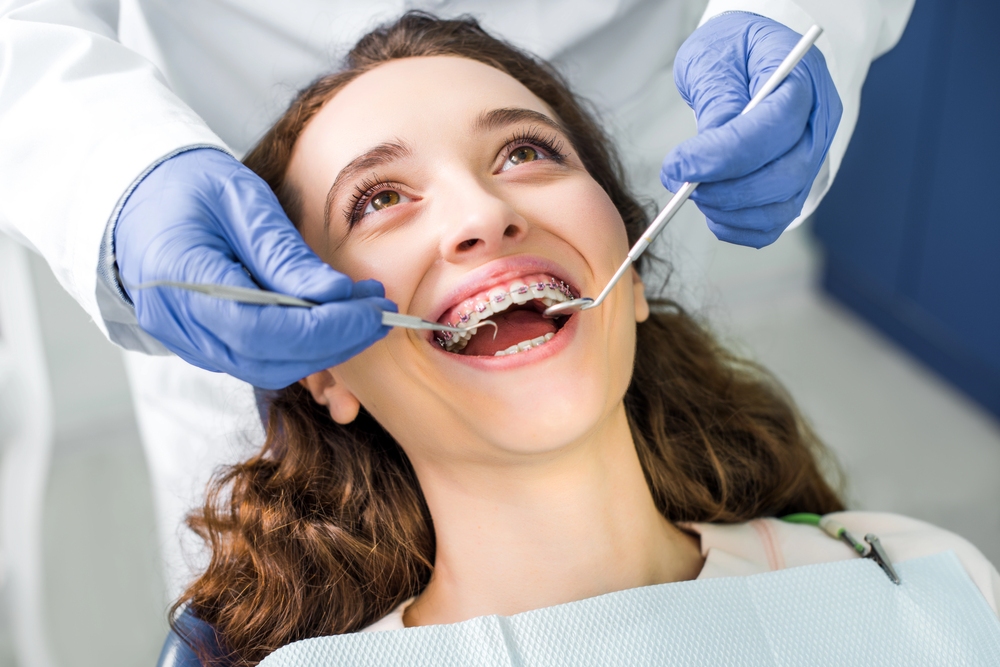
beautiful teenage girl metal braces smile street - How to Clean Braces in Houston and Richmond, TX

Why Keeping Braces Clean is Important in Texas

If you live in Houston or Richmond, you know we have great food. From BBQ to sweet treats, there are many snacks to try. Some foods are sticky. Others are very sweet. This can make cleaning a bit hard. When you wear braces, food particles get stuck in your brackets.

If you do not follow a strong oral hygiene routine, debris stays in your mouth. This debris gives bacteria a place to grow. Over time, this can make gums turn red. It can also cause white spots on your teeth. It might even lead to cavities. Good hygiene keeps your teeth straightening on track. It ensures that when the wires come off, your smile is perfect.

Step-by-Step Guide: Brushing with Braces

Use this simple guide and instructions to keep your braces clean every day. It only takes a few minutes to do it right.

Picking the Best Toothbrush

When you clean braces, a soft toothbrush is your best friend. These brushes reach around the wires and brackets. They do this without hurting your gums. Some people use an orthodontic brush. Others like an electric brush. These tools help you clean even better. Always look for soft bristles. They are gentle on your mouth but get the job done.

Using Fluoride Toothpaste

Always use a fluoride toothpaste when you brush your teeth. Fluoride makes your teeth strong. It also protects them from decay. Use a small, pea-sized bit of toothpaste each time. This helps slow down bacteria. It also fights plaque buildup on all surfaces. This is a vital part of your braces care.

Brushing Techniques for a Better Clean

Follow these easy brushing steps and cleaning methods for a great clean every day:

  • Check the angle: Hold your toothbrush at a 45-degree angle. Aim it at your gum line. This is where your teeth meet your gums.
  • Make small circles: Move the brush in gentle, small circles. This helps get rid of food particles. It also helps with plaque removal under the wires.
  • Brush every part: Brush the top and bottom of each metal bracket. Brush all around the wires and bands.
  • The back counts: Do not forget to brush the backs of your teeth.
  • Time it: Spend at least two minutes on brushing.
  • After meals: Brush after you eat. If you are at work or school and cannot brush, rinse with water. This helps wash away debris until you get home.

Flossing With Braces in Houston and Richmond

Brushing is just one part of your care routine. Flossing is also very important! But with braces, it can feel hard. The wires block the way. You will need special tools and good habits.

Using Floss Threaders

Floss threaders help you guide the dental floss under your wires. You put the floss through the loop. Then, you push it under the wire. Move it up and down against the tooth. This is a key step in oral hygiene. It removes food particles that hide between teeth. As experts like Dr. Natalia Hodge say, using a floss threader helps you reach all the tricky spots. It keeps your mouth feeling fresh.

Water Flossers and Oral Irrigators

If regular dental floss takes too much time, try a water flosser. This is also called an oral irrigator. Many people in Richmond like this tool. It uses a stream of water to clean. It is fast and easy to use around brackets. These products are gentle on sore gums. They are great for plaque removal under the wires. Many patients use water flossers every night. It is a big part of their home care.

The Best Flossing Routine

Try to floss at least once a day. Do this before bed if you can. This keeps your gum line healthy. You can also use an interdental brush if you are in a rush. This is a small brush that fits in tight spots.

Special Tools and Cleaning Aids

Taking care of your braces is easy with the right maintenance tools. Here are some items for your braces routine kit:

  • Interdental brushes: These are often called proxa brushes. These tiny interdental brushes clean between the wires and the teeth. They reach spots a regular brush might miss.
  • Mouthwash: Use a mouthwash after you brush. A fluoride mouthwash kills bacteria. It also helps stop tartar and decay.
  • Brace cleaning Tablets: Some people use brace cleaning tablets for their removable parts. These help keep everything fresh and clear.
  • Orthodontic wax: This helps if a wire pokes your cheek. It keeps you comfortable while you learn your new hygiene habits.
  • Baking soda rinse: If you see stains, a mix of baking soda and water can help. It is safe for tooth cleaning. It helps with stain removal.

Keeping a small kit in your bag is a great idea. Put a brush, toothpaste, and an interdental brush inside. This way, you can clean your braces anywhere in Houston.

Build a Strong Oral Hygiene Routine

Good braces care comes from doing the same things every day. Here are ways to make orthodontic care easy in Texas:

  1. Set alarms: Use your phone to remind you to brush after lunch.
  2. Eat right: Try to avoid sticky or sweet foods. These foods create more plaque buildup. They are also very hard to clean off the brackets.
  3. Travel kit: Keep a small kit with you for on-the-go cleaning.
  4. Use your tools: Use an interdental brush or water flosser to make the job fast.
  5. See your doctor: Visit Elara Orthodontics for regular checks. We help you find small issues before they get big.

Solving Common Braces Cleaning Problems

This section covers the most common braces challenges and how to handle them.

Stuck Food and Plaque

Texas has so many tasty treats. But things like chips or dried fruit get stuck fast. Sticky food stays on the wires. If you leave it, it turns into plaque. To fix this, drink water during and after your meal. Water helps clear out food particles. Use an interdental brush or water flosser after you eat something sticky.

Cleaning on a Busy Schedule

Life in Houston is fast! You might be busy with school or work. If you cannot brush, rinse your mouth with water. Use a small interdental brush for a quick clean. Try not to skip your brushing at night. Nighttime is when your teeth need the most protection. According to Dr. Nicholas Andros, a recommended orthodontist in Pasco, WA, brushing well every night helps stop plaque and keeps problems from starting during sleep.

Gum Issues and Bad Breath

If your gums are red or your breath is bad, bacteria may be the cause. Do not ignore this! Brush at the gum line every day. Use a fluoride mouthwash to keep your gums in good shape. This is an essential part of your braces routine.

young arab woman with metal braces breathing closed eyes street - How to Clean Braces in Houston and Richmond, TX

Why Choose Elara Orthodontics?

Elara Orthodontics wants to make your time in braces simple. We know the lifestyles of Houston and Richmond. We know the care that kids, teens, and adults need here. Our team will teach you the best braces cleaning steps.

We offer the latest tools for maintenance. We give you a clear guide for your oral hygiene routine. We know that good home care leads to a healthy smile. This smile will last long after your braces come off. Schedule a visit to get more cleaning tips. We can help with any wire or bracket issues you have.

Start Your Path to a Brighter Smile Today!

Taking good care of your braces is a big commitment. But the reward is a healthy, straight smile. At Elara Orthodontics, we guide you through every step of your treatment journey. We want you to feel proud of your teeth. Ready to see us? Call our office today to book your visit. Let’s work together to keep your smile healthy and on track for great results!

About the Authors

Dr. Sam Elkenawy – Orthodontist in Houston and Richmond, TX

Dr. Nicholas Andros – Orthodontist in Pasco, WA

Frequently Asked Questions

What should I do if my gums bleed when brushing?

Bleeding gums are often a sign that plaque is building up near the gum line. Continue brushing gently with a soft toothbrush and floss daily to improve gum health. Rinsing with an antibacterial or fluoride mouthwash can also help reduce bacteria and soothe inflammation. If bleeding continues for more than a few days, schedule a visit so we can check your gums.

Is it okay to use an electric toothbrush with braces?

Yes, an electric toothbrush can be very helpful for patients with braces. The rotating or vibrating bristles can remove plaque more efficiently around brackets and wires. Just be sure to use a soft-bristle head and move slowly across each tooth. Using gentle pressure will also help protect your gums and prevent irritation.

Do I still need regular dental cleanings while wearing braces?

Yes, professional cleanings are very important during orthodontic treatment. Your general dentist will remove tartar buildup that brushing and flossing cannot reach. These visits also support your daily cleaning routine and strengthen the overall cleaning process. Regular cleanings help prevent cavities and keep your gums healthy throughout treatment.


Retainer vs Braces in Houston and Richmond, TX

Choosing between a retainer vs braces in Houston and Richmond, TX is a big step toward improving your smile. At Elara Orthodontics, you have many treatment options that can improve your teeth alignment and give you the confident smile you want. Deciding which option is right for you depends on your needs, goals, and lifestyle.

This guide will help you understand the pros, cons, and important parts of each choice so you can make the right decision.

young middle east girl with metal braces smiling happy - Retainer vs Braces in Houston and Richmond, TX

Understanding Braces and Retainers

Below are the differences between braces and retainers, so it will give you a better understanding of which option you may need.

What Are Braces?

Braces are common tools in orthodontics. These are fixed devices made with brackets and wires. They are attached to your teeth and slowly move your teeth into the right spot. They work well for many alignment issues, like crowding, spacing, and bite correction. Braces are best for people who need big changes.

When you choose braces, you cannot take them out on your own. This means your commitment is built in from day one. You will need regular appointments for adjustments, and some food restrictions are necessary to keep the brackets and wires safe.

What Are Retainers?

A retainer is a tool for the retention phase of your treatment process. After your teeth have moved to their new place with braces or aligners like Invisalign, the retainer is there to keep that result. Some retainers are fixed in your mouth, while others are removable for extra convenience.

A retainer’s job is to hold your teeth steady. If you don’t use your retainer as advised, your teeth can shift back. That’s why commitment is still important even after active treatment ends.

How Braces and Retainers Work

This section explains how braces move teeth into place and how retainers help keep them there after treatment.

Braces: Moving Teeth into Alignment

Braces start the process of change. Once the orthodontist attaches the brackets and joins them with wires, your teeth slowly move. Every few weeks, you’ll visit the office for an adjustment. The orthodontist will tighten wires or make small tweaks for steady progress.

You may feel discomfort at first, but this is normal. It often fades quickly. Good oral hygiene and careful cleaning are a must because food can get stuck around wires and brackets.

Retainers: Holding the Results

When braces come off, or when aligners finish their job, the retention phase begins. Your retainer is now your best friend. It holds your new smile in place and protects your investment. Fixed retainers stay in the mouth, while removable ones can be taken out for eating, cleaning, or special events.

During this phase, you’ll have follow-up visits to check that your teeth stay in place. Consistency is key, skipping your retainer can undo months or even years of progress.

Types of Braces and Retainers

This section outlines the different types of braces and retainers available for orthodontic treatment.

Types of Braces

  • Traditional Metal Braces: These use strong metal brackets and wires to treat most case complexities and severe alignment problems.
  • Ceramic Braces: The brackets match your teeth’s color for better appearance, but may be less tough than metal.
  • Lingual Braces: Brackets attach behind the teeth, making them hard to see.
  • Invisalign & Clear Aligners: These aligners are smooth, clear trays you pop in and out. They’re best for mild to medium alignment issues.

Each has its own comfort level, appearance, and maintenance needs. Metal braces, while very effective, require strict oral hygiene and can cause some food and drink limits.

Types of Retainers

  • Hawley Retainers: Made of wire and acrylic, these are sturdy and can be adjusted if needed.
  • Clear Retainers (Essix): Thin, plastic trays that fit right over your teeth for a barely-there look.
  • Fixed (Bonded) Retainers: Wires attached behind your front teeth, great for people who don’t want to worry about taking them in and out.

Removable retainers are easy to clean, but you must remember to wear them as told. Fixed retainers are always at work, but make brushing and flossing a bit trickier.

Choosing Between Braces and Retainers

When picking between braces and retainers, think about these factors:

1. Case Complexity

Braces are best if your teeth are very crowded or spaced apart, or if you have bite correction needs. Retainers are used to hold teeth in place after treatment or to correct small shifts in tooth position. According to Dr. Adam Reynolds, a popular orthodontist in Madison, AL, small shifts can usually be fixed with a retainer if caught early.

2. Age and Lifestyle Considerations

Braces need steady hands and routine care, so children, teens, and adults can wear them as long as they keep up with appointments and maintenance. Retainers are ideal for older teens and adults who can handle the responsibility of remembering to wear and clean their device.

3. Appearance and Comfort

Braces are easy to see and can sometimes cause discomfort, especially at first. Clear aligners and clear retainers offer a more discreet appearance with nearly invisible results. Removable retainers are often more comfortable for daily wear.

4. Maintenance and Daily Care

With braces, you must brush and floss around brackets and wires after each meal and avoid sticky or hard foods that can break them. Removable retainers can be taken out for brushing and eating, making cleaning and oral hygiene easier. Fixed retainers require special flossing tools to keep them clean and free of buildup.

Costs and Financing Options

Treatment costs and flexible financing options can help you plan for your orthodontic care.

Treatment Cost Differences

  • Braces usually have a higher treatment cost up front, since the process is longer and more detailed.
  • Retainers cost less and are often included in the full treatment plan after braces.
  • Aligners like Invisalign can be similar to or more than braces, depending on your plan and case complexity.

Insurance Coverage and Payment Plans

  • Many dental plans cover part of your braces treatment, especially for younger patients.
  • Retainers might be covered as part of your full treatment package.
  • At Elara Orthodontics, you’ll find several flexible financing options and payment plans to help with your budget considerations.

Think about both the starting costs and any long-term maintenance care when you make your decision.

Pros and Cons of Each Option

The pros and cons of braces and retainers are explained to help you make an informed treatment choice.

Braces

Braces can fix tough alignment and bite correction problems and provide lasting results with proper commitment and care. However, they are easy to notice, may cause discomfort at first, and require more effort to clean. Patients also need to follow food restrictions and attend regular appointments.

Retainers

Retainers are easy to use, lightweight, and often nearly invisible. They help maintain a straight smile after treatment with less hassle. However, they only work if you wear them as directed, and removable versions can be lost or broken, which may lead to extra costs or delays.

The Treatment Process at Elara Orthodontics

We guide you through every step of treatment, from consultation to a confident, healthy smile.

Step 1: Consultation

Your journey begins with a consultation at Elara Orthodontics. The doctor will evaluate your teeth, spacing, and bite. They will discuss your goals, lifestyle needs, and health history. You’ll learn about all available treatment options.

Step 2: Custom Treatment Plan

Using the results of your exam, your orthodontist will create a detailed treatment plan. This plan lays out what to expect, how long it’ll take (treatment duration), how often you’ll visit for adjustment appointments, and what your costs will be.

Step 3: Active Treatment

If you need to fix crowding or spacing, you’ll start with braces or aligners like Invisalign. The team will help you get used to your new routine. You’ll have regular appointments to check your progress and make adjustments as needed.

Step 4: Retention Phase

After your main treatment, you’ll move to the retention phase. The orthodontist will recommend the right type of retainer for you. Wearing your retainer as directed is the best way to protect your result and make sure your teeth stay straight.

Commitment and Long-Term Results

No matter your choice, your commitment is key. Stick to your cleaning routine, attend all your visits, and ask the Elara team for help if you notice any problems.

  • Use your retainer as advised.
  • Maintain good oral hygiene.
  • Show up for all follow-up appointments.
  • Report any discomfort or broken devices right away.
portrait young asian beautiful woman smiling holding silicone orthodontic retainers - Retainer vs Braces in Houston and Richmond, TX

Why Choose Elara Orthodontics?

At Elara Orthodontics, you’ll enjoy expert care, advanced technology, and many options to fit your needs and lifestyle. Their friendly staff supports you at every visit and offers flexible scheduling. Their team has years of experience in all kinds of orthodontic care, from braces to retainers, aligners, and more.

Schedule Your Consultation Today

Schedule your consultation today and take the first step toward a healthier, more confident smile. At Elara Orthodontics in Houston and Richmond, TX, our team will guide you through every stage of treatment. We take time to understand your goals and recommend the best option for your needs. You’ll receive a personalized plan designed for comfort, results, and long-term success. Contact our office today to get started on your smile journey.

About the Authors

Dr. Sam Elkenawy – Orthodontist in Houston and Richmond, TX

Dr. Adam Reynolds – Orthodontist in Madison and Huntsville, AL

Frequently Asked Questions

Can braces or retainers affect speech?

Yes, you may notice a small change in speech when you first start wearing braces or a retainer. This happens because your tongue needs time to adjust to the new device. Most people adapt within a few days to a week. Speaking slowly and practicing out loud can help speed up the adjustment.

What should I do if my brace or retainer breaks?

If a bracket, wire, or retainer breaks, contact your orthodontist as soon as possible. Avoid trying to fix it yourself, as this can cause further damage. A broken device can slow down your treatment if not repaired quickly. Your orthodontic team will guide you on the next steps.

Can adults get braces or retainers later in life?

Yes, adults can get orthodontic treatment at any age. Braces and clear aligners work well for adults who want to improve their smile and oral health. Treatment may take a bit longer than for teens, but the results are just as effective. Retainers help keep those results long-term.