
Are you struggling to know how to floss with braces in Houston or Richmond, TX? Flossing with braces can be tricky due to wires and brackets that make cleaning more challenging. Keep reading to learn easy, dentist-approved ways to floss with braces in Houston and Richmond, TX, and find out which tools make cleaning faster and pain-free.
Why Flossing with Braces Is Important
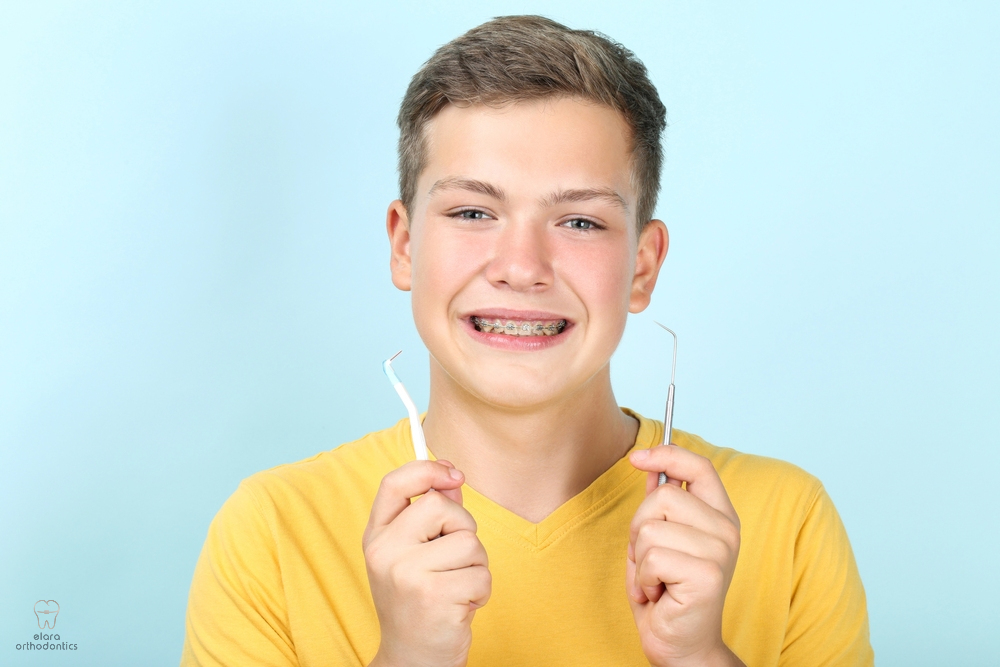
Braces align and straighten your teeth, but they also create small gaps. These tiny spaces catch food and plaque, leading to plaque buildup, gingivitis, or even cavities if you skip cleaning. While brushing does a great job of removing surface debris, it often misses areas around brackets and wires. Flossing is essential for keeping these spots clean. By making flossing part of your daily oral hygiene routine, you can protect your teeth and gums and ensure your orthodontic treatment stays on track.
Easy-to-Use Tools for Flossing with Braces
The right flossing tools can make your cleaning routine faster and easier. Here are the most helpful tools to consider:
Floss Threaders
A floss threader works like a small, flexible needle that helps you guide floss under the archwire. It allows you to clean between your teeth without damaging your braces. Floss threaders are beginner-friendly, affordable, and perfect for anyone new to braces care routines.
Water Flossers
Water flossers use a powerful stream of water to clean food particles and plaque from your gumline and between teeth. These tools are great for people with sensitive gums or those who find flossing time-consuming. Water flossers are gentle yet effective at cleaning around wires, braces, and hard-to-reach spots.
Superfloss
Superfloss is pre-cut dental floss with stiff ends designed for threading under your braces’ archwire. Its spongy middle section removes plaque near the gumline while being easy to handle. Superfloss is great for maintaining dental hygiene during your orthodontic care.
Interdental Brushes (Proxy Brushes)
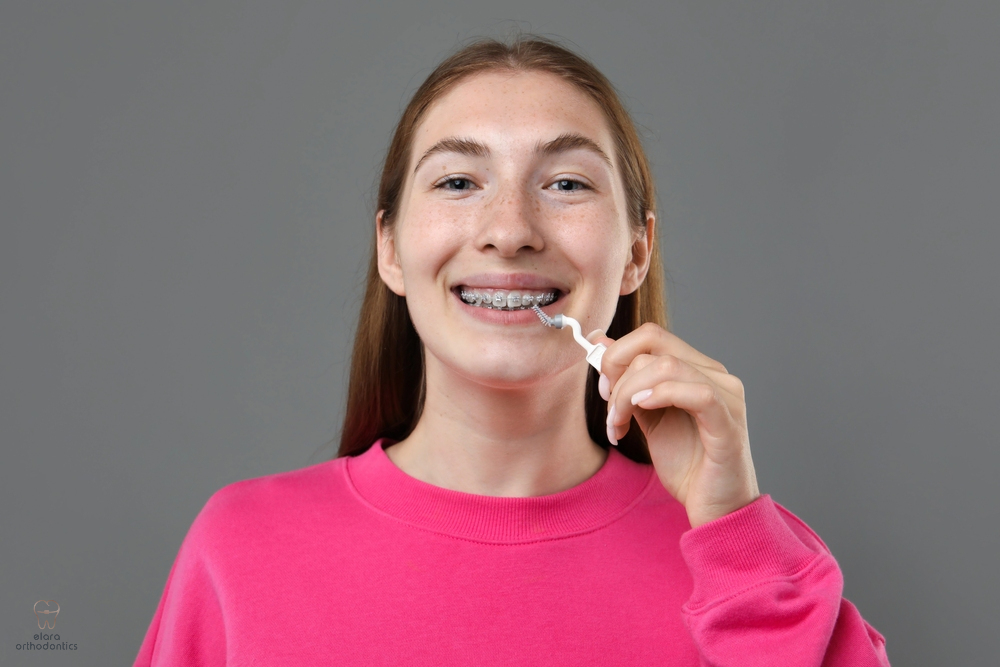
Proxy brushes are tiny, cone-shaped brushes that fit between teeth and brackets. These brushes easily clean spots that floss might miss. They are especially useful for tricky areas around braces and can help prevent gum disease and plaque buildup.
Floss Picks
Floss picks come with pre-threaded floss attached to a small handle. They are easy to hold and great for cleaning on the go. Floss picks work well for daily use, especially when traditional floss feels awkward or time-consuming.
Where to Buy Flossing Tools
You can find flossing tools like water flossers, floss threaders, proxy brushes, and superfloss at local stores in Houston and Richmond, TX. Many pharmacies, online stores, and dental supply retailers sell these products. Elara Orthodontics also provides flossing tools and kits, so feel free to ask your orthodontist for recommendations during your next visit.
A Step-by-Step Guide for Flossing with Braces
Flossing with braces may feel overwhelming at first, but regular practice will make it easier. Creating a consistent hygiene routine is key. Here’s a step-by-step guide:
Step 1: Cut and Prepare Your Floss
Take about 18 inches of dental floss. If using regular floss, thread it under the archwire of your braces using a floss threader. Gently pull the floss into place between your teeth.
Step 2: Clean Between Teeth
Wrap the floss into a “C” shape around one tooth. Slide it up and down gently, cleaning along the tooth surface and under the gumline. Repeat this process for each tooth. Avoid snapping the floss, as this can hurt your gums or damage wires.
Step 3: Try a Water Flosser
If maneuvering traditional floss is difficult, use a water flosser as an alternative. Adjust the water pressure to a comfortable level and aim the water jet at the spaces around your brackets and wires. The steady stream removes plaque and trapped food effectively.
Step 4: Follow Up with Brushing
Once you’ve flossed, brush your teeth thoroughly with a soft-bristle toothbrush and fluoride toothpaste. Carefully clean around each bracket and along the gumline. Finish with a fluoride mouthwash to help strengthen teeth and promote oral health.
Flossing Tips for Different Braces
Different braces need slightly different care. Here’s how to tailor your flossing process:
- Metal Braces: Be extra careful to floss under wires and around brackets without tugging or bending the archwire.
- Clear Braces: Use gentle motions to avoid chipping or damaging the delicate brackets.
- Lingual Braces: These braces are located behind the teeth, making interdental brushes or water flossers a convenient choice.
- Self-Ligating Braces: Even though these braces have fewer components, cleaning thoroughly under wires remains essential.
Common Flossing Challenges and How to Solve Them
Problem: Tender Gums
Solution: It’s normal for your gums to feel sore or inflamed if you’re new to flossing. Rinse with warm salt water or use an oral irrigator to soothe discomfort. Your gums will grow stronger with consistent care.
Problem: Tight Spaces
Solution: If regular floss is hard to manage, try waxed floss, superfloss, or water flossers. These tools slide more easily into tight spaces, ensuring a thorough clean.
Problem: Lack of Time
Solution: Speed up your routine with tools like floss picks or water flossers. These options simplify the process without sacrificing cleaning quality. As Dr. Leonardo Koerich, a professional orthodontist in Charlotte, NC, points out, integrating time-saving tools into your routine helps ensure you maintain consistency and achieve excellent results.
Caring for Teeth After Braces
When your braces come off, keeping your smile healthy is a must! Here’s how to continue your good oral hygiene habits:
- Clean Your Retainer: Brush your retainer daily to remove plaque and bacteria.
- Floss Every Day: Maintain your flossing habits to prevent tartar buildup.
- Brush Thoroughly: Spend two minutes brushing twice daily with fluoride toothpaste. This keeps your enamel strong and your teeth clean.
Expert Care from Elara Orthodontics
At Elara Orthodontics in Houston and Richmond, TX, we prioritize your oral health throughout your orthodontic treatment. We understand how important proper hygiene is for treatment success. That’s why we provide expert tools, personalized flossing tips, and guidance to keep you on track.
Whether you have concerns about gum health, plaque buildup, or flossing techniques, our team is here to help. We’ll help you master your flossing routine using water flossers, proxy brushes, floss threaders, or whichever tools work best for you.
Keep Your Smile Healthy with Elara Orthodontics
Keep your smile healthy and your braces clean with expert guidance from Elara Orthodontics in Houston and Richmond, TX. Our team will show you the best tools and techniques to make flossing with braces simple and effective, helping you prevent plaque buildup and keep your treatment on track. Schedule your consultation today and take the next step toward a confident, healthy smile.
About The Authors
Dr. Sam Elkenawy – Orthodontist in Houston and Richmond, TX
Dr. Leonardo Koerich – Orthodontist in Charlotte, NC
Frequently Asked Questions
Is it normal to not be able to floss with braces?
Yes, it’s normal! Flossing with braces can be tough because the wires and brackets get in the way. Many people find it tricky at first, so you’re not alone. It just takes some practice and patience to get used to it.
Is it okay to skip one day of flossing with braces?
It’s best to floss every day, but missing one day isn’t the end of the world. Sometimes you might be tired or busy, and that’s okay, just don’t make it a habit. Try to get back to flossing the next day. Regular flossing helps keep food and plaque from building up around your braces, which keeps your teeth and gums healthy.
How can I tell if I’m flossing correctly?
You’ll know you’re flossing right if the floss gently slides between your teeth and curves around each one in a C-shape. Move it up and down along the tooth, not back and forth. You should also reach slightly under the gumline, but be gentle! A little bleeding at first is normal and should stop as your gums get healthier. After flossing, your mouth should feel fresh and clean.