
Teeth Retainer Replacement in Richmond or Houston, TX
CALL: (832) 702-2727
What are retainers and why do we need them?
After the journey of braces is over and you achieve your beautiful smile, it is very critical that you maintain your new smile. Teeth naturally move or shift over your lifetime, whether you have gone through braces or not. However, there is a higher chance of unwanted tooth movement right after braces, and this is due to the “Relapse” phenomenon. Relapse is the tendency for the teeth to return to their pre-orthodontic treatment position, which means that if your teeth were rotated a certain way prior to having braces, they will try to move back to their rotated or crooked positions. To prevent any orthodontic relapse and maintain the position of corrected teeth, after braces are removed, you are stepping into a very important phase, which is called “Retention”.

Traditionally, we would take impressions for molding your teeth prior to fabricating the retainer in the lab. At Elara Orthodontics, we are all about being up to date with our technology, and with the use of our intraoral scanner, we stay away from gooey molding materials and provide more comfort for our patients.
Intraoral scanners capture a 3D picture of your teeth, that with the help of 3D printers, will be transformed into a 3D model, and retainers are made based on those models. This process will prevent any possible distortion and will result in a highly accurate and improved fit of the retainer. On the day that braces are removed, retainers are delivered and can be adjusted if necessary. Your orthodontist will review how to wear your retainer and how to take care of your retainers with you. Depending on the type of orthodontic treatment that was performed for you and the severity of tooth movement with braces, you will be instructed to wear your retainer full-time for at least 3-6 months, and you will gradually switch to night-time wear only.
Nowadays, there are many places where you can get DIY (Do It Yourself) retainers that can seem like they cost less compared to orthodontist-fabricated ones; however, it’s important that you consult your orthodontist before pursuing that option to make sure they are right for you. DIY retainers are not always made from materials that are durable or accurate enough; therefore, it’s important to check the quality of the product you may be receiving.
How to take care of retainers
When you receive your retainer, it is essential to follow the instructions as provided by your orthodontist. For removable retainers, since you will be popping them in and out a couple of times a day, you need to make sure you are not applying extra force or in the wrong direction that breaks or distorts the retainer.
Removable retainers need to be removed before eating or drinking any hot beverages. These retainers are normally advised to be removed using two index fingers to pull the retainer down for the upper retainer and pull up for the lower retainer, anchoring from the back of the retainer. When removing Hawley retainers, you should not pull on the front wire to take them off, as that will cause a distortion in the wire and can end up loosening your retainer. After each removal and after you eat, you need to brush and floss your teeth and rinse your retainer before putting it back on. You can brush the retainer with a soft-bristle toothbrush and water. To remove the stains on your retainer and to obtain a deeper cleaning, you can consider soaking the retainer in denture or retainer cleaner tablets for a couple of times a week.
After removing your retainer, make sure you:
- Place it back in the retainer case.
- Do not wrap it in a napkin, as it can be mistaken for trash and thrown away.
- Do not drop it in your purse or pocket to prevent damaging or distorting your retainer.
- Keep it out of reach of pets, especially dogs, as they are attracted to the smell of the retainer and can chew them.
- Fixed retainers are not removable; therefore, there is no concern about how to wear or remove them. However, with permanent retainers, maintaining oral hygiene, brushing, and flossing properly is essential and important; interproximal brushes and floss threaders are helpful tools for that.
Can retainers move teeth?
This is a question that we get asked quite often regarding whether orthodontic retainers are able to move teeth. Since retainers are a custom-made appliance, you can technically design a retainer that contains springs or other auxiliaries that can move teeth in a very minor and specific fashion. Those retainers are different from the traditional ones and are called “Active Retainers”. Active retainers can only move a few teeth at a time, and to a very limited degree, since they apply forces directly on the teeth without braces, rendering them less predictable. We sometimes utilize active retainers to solve very minor tooth rotations that might occur due to misplaced retainers or patients forgetting to wear their retainers long enough after finishing their treatment.
Types of Retainers
CALL: (832) 702-2727
What Are Different Types of Retainers
There are many types and designs of retainers. The type of retainer that is most suitable for you will vary based on the type of treatment that was done and the original position of your teeth.
Your orthodontist will be the only one who will discuss all the retainer options with you and recommend the best type of retainer that works the best for you, after taking into consideration your own personal preferences. At Elara Orthodontics, we proudly offer all kinds of retainers, and our orthodontists will discuss your personalized retainer options in detail during your treatment.
Retainers are mainly categorized into two main groups:
- Removable retainers
- Fixed retainers (also known as permanent retainers)
Your orthodontic specialist may suggest removable or permanent retainers, or a combination of both that fits your custom needs.
Removable retainers
This type of retainer, as the name clearly suggests, can be removed by the patient when eating, brushing or flossing. Retention protocols vary based on different factors, including but not limited to the type of tooth movement during treatment and the severity of the crowding or spacing before starting orthodontic treatment. Based on those details, your treating orthodontist will determine in detail the duration of full-time retainer wear, which is usually followed by night-time only wear, and gradually decreasing to once a week.
The Two Most Commonly Used Removable Retainers are Either:
Hawley Retainers:
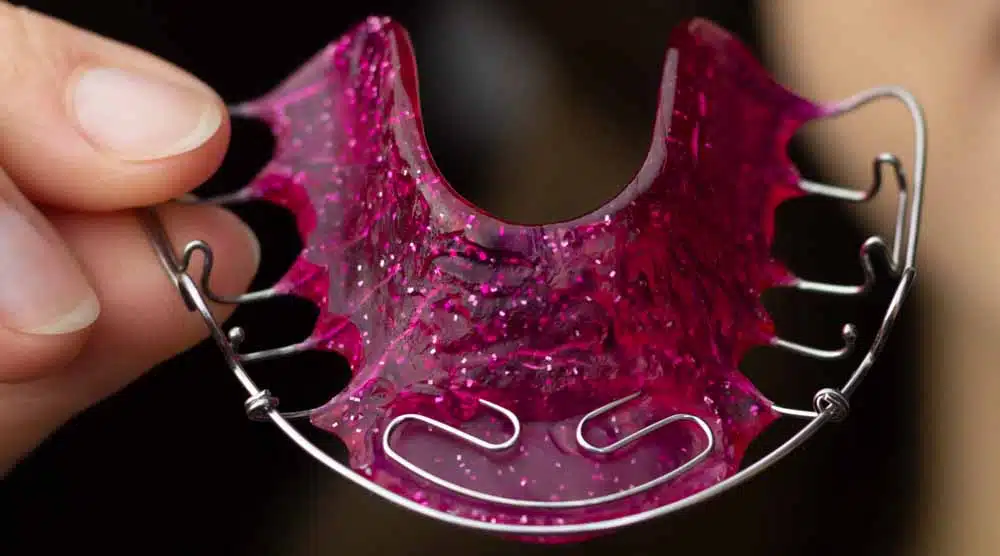
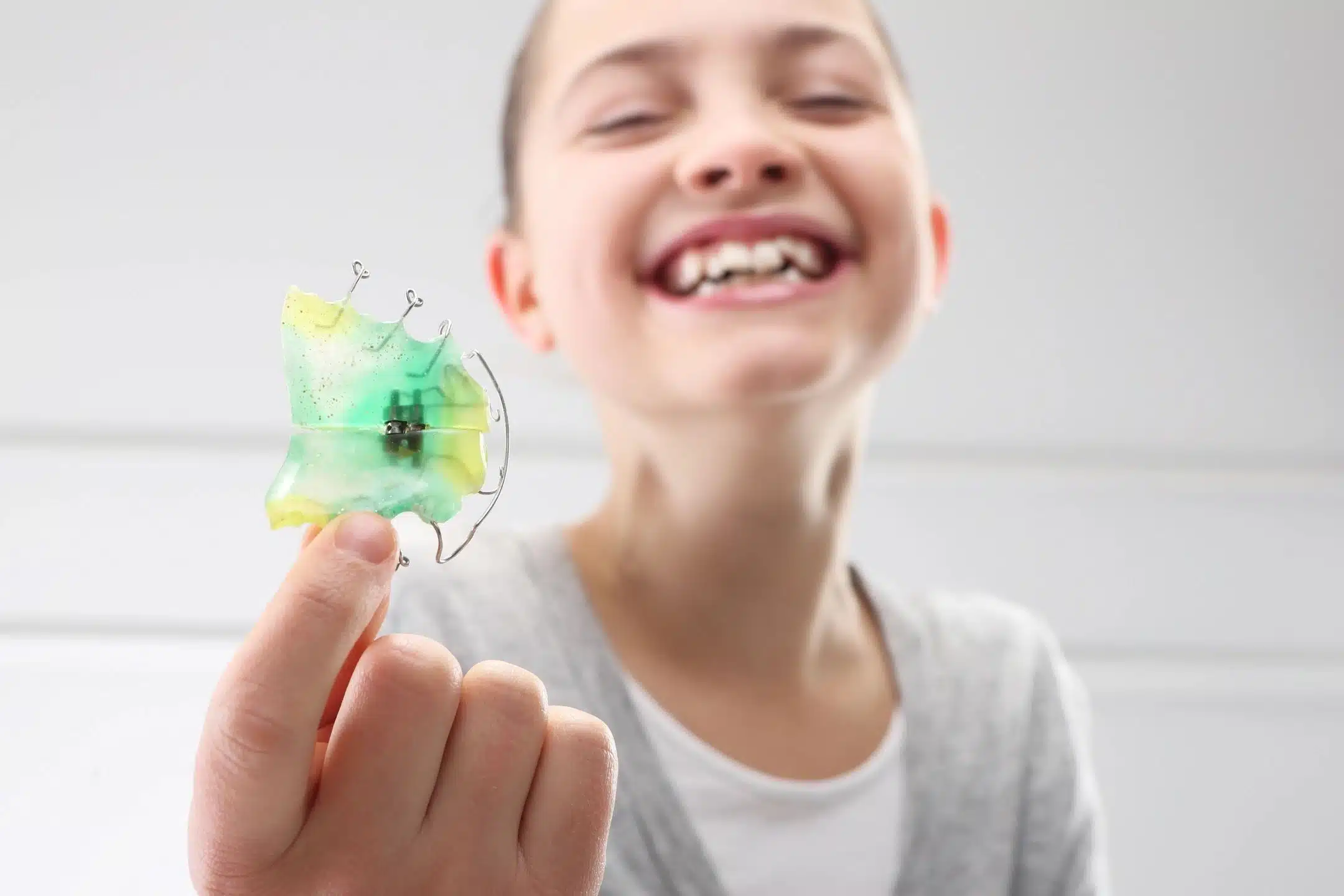
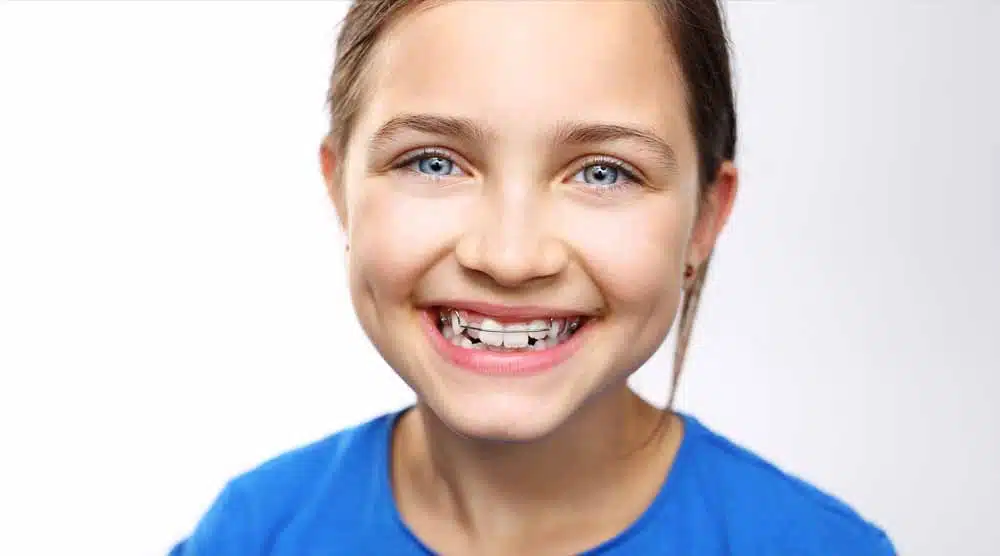
Hawley retainers are the most recognized type of retainers and are also known as “traditional retainers” as they have been commonly used among orthodontists for decades. These retainers are made from hard, colorful acrylic and orthodontic wire that will wrap around your teeth to maintain their position. Due to this structure, Hawley retainers are more rigid and durable compared to clear retainers. If your Hawley retainer breaks, it can possibly be repaired, unlike the clear retainers, which would need to be replaced. Another advantage when it comes to Hawley retainers is that they can be adjusted and tightened, which gives the orthodontist the ability to adjust any retainers that are not fitting properly, either due to improper wear, accidents, or fabrication errors.
Hawley retainers can be bothersome to some patients as they might feel slightly bulky, which requires a few days to get used to. Due to the orthodontic wire portion of it, it is also considered less aesthetic compared to clear retainers. However, the good news is the acrylic part of the retainer can be custom-designed with your favorite color, and the wire crossing the front teeth can possibly be replaced with some clear and transparent rigid plastic to make it less visible.
Clear Retainer:
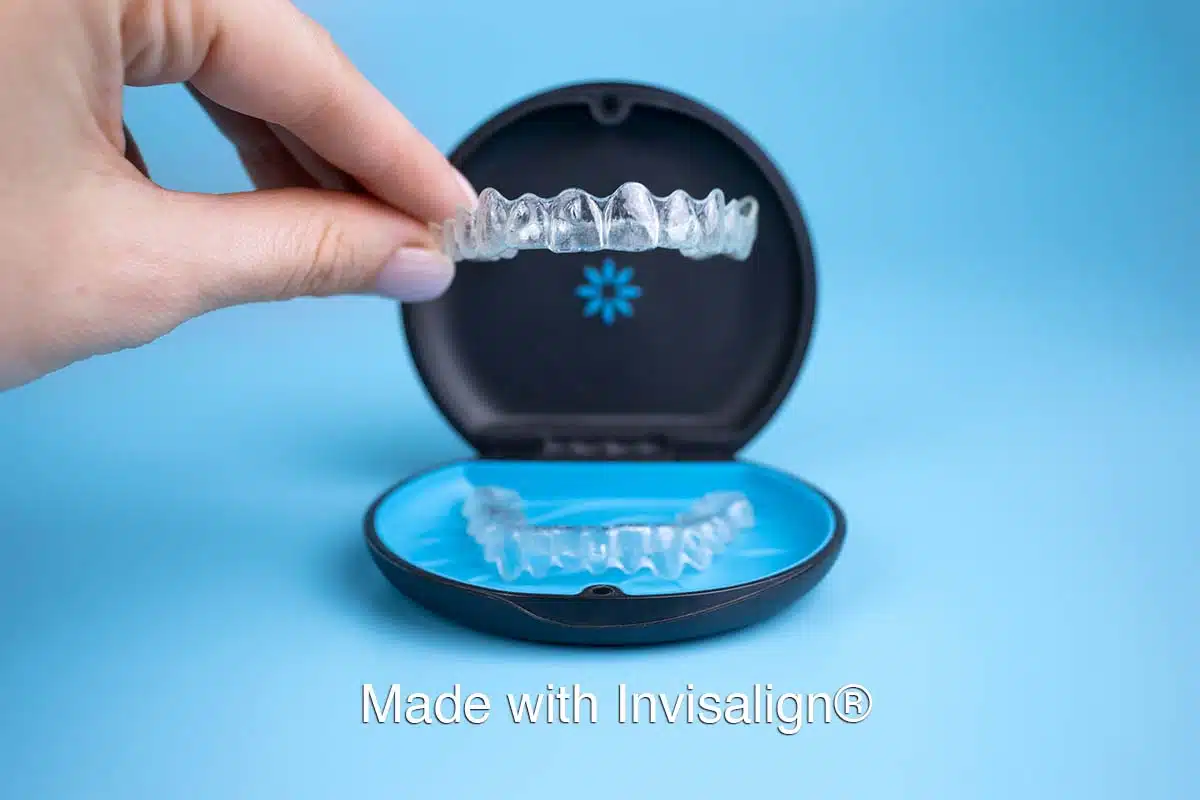
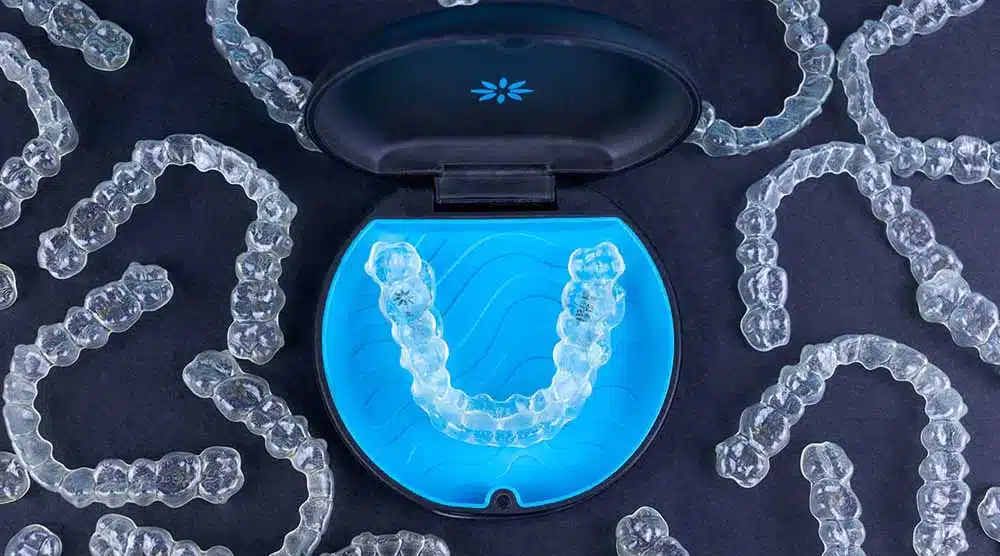
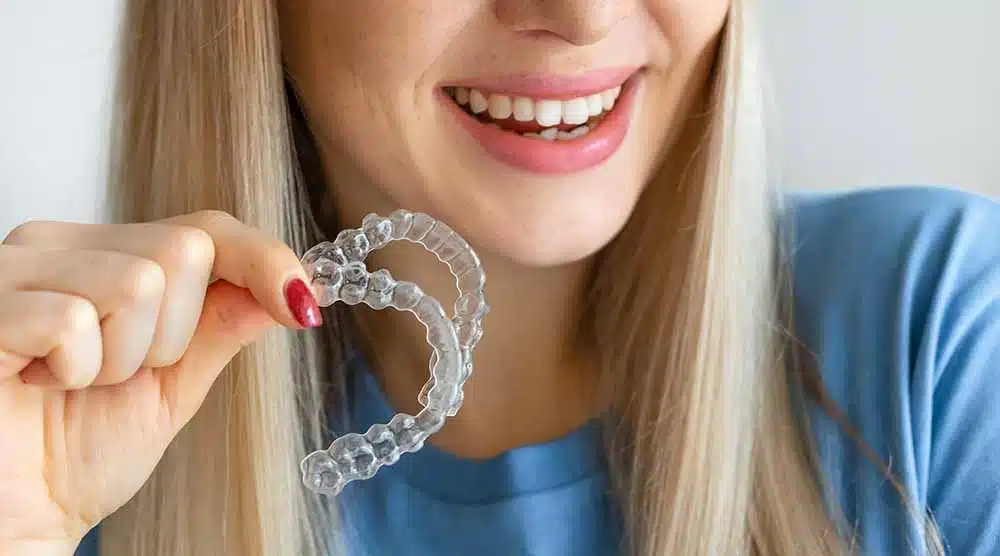
Clear retainers, also known as “Essix retainers”, are similar to Hawley retainers in that they are also custom-made for each patient. These vacuum-formed retainers are made from clear and transparent plastic that makes them nearly invisible while wearing them. The clarity and aesthetics of Essix retainers have increased the popularity of these retainers recently.
Even though clear retainers are less bulky and lighter than Hawley retainers, they can be less durable and might not last as long as traditional retainers do. For example, if you have a habit of grinding your teeth or clenching, clear retainers might not be the most suitable option for you. As this retainer fully covers all the surfaces of the teeth, brushing and flossing after each meal and before putting the retainer back on is of utmost importance to prevent trapping of the plaque within the retainer, which could lead to serious adverse effects on the health of your teeth and surrounding tissues.
Vivera retainers are a type of clear retainers that are made by the Invisalign company using the same technologies used for Invisalign aligners. There is no difference in the functionality or appearance of Vivera retainers and regular Essix retainers, but since Vivera retainers come in a set of four retainers, they are sometimes preferred by some patients since the three backup retainers usually give them the peace of mind of avoiding potential issues if a retainer breaks. However, with the retainer assurance program that we offer at Elara Orthodontics, we make it easy and inexpensive to replace a lost or broken retainer regardless of the type of retainer you pick.
Fixed Retainers
Fixed retainers are a completely different appliance in that they are a piece of orthodontic wire or mesh that is bonded to the back of the teeth. They are also mostly known as “permanent retainers” because they cannot be removed by the patients. Don’t let the word permanent alarm you, though, as of course these so-called permanent retainers can be easily removed by the orthodontist when needed. There is a wide variety of types of wires that can be used for fixed retainers, but they are all very delicate wires that can be bonded either to all six lower front teeth or they are only to the lower canines. For some patients, an upper fixed retainer might be recommended by the orthodontist. In that case, the permanent retainer is most commonly bonded behind the two front teeth, but it can also extend to cover four or all six upper front teeth. Unlike removable retainers that require a mold or a scan of the teeth, the fixed retainers can be prepared chair-side by the orthodontist on the day of removing braces. However, molding or scanning teeth prior to bonding a fixed retainer is optional, and some orthodontists prefer to do it that way.
If the teeth were severely rotated, crowded, or spaced before orthodontic treatment, permanent retainers are recommended to hold the teeth firmly in place to prevent relapse. As these retainers are not removable by patients, it can be an advantage for those who are not compliant with wearing a removable retainer, and it guarantees that you will not lose your retainer, as many do! On the other hand, because these retainers are cemented to the teeth, it makes it more challenging to keep the teeth clean and free of plaque and calculus over time. Therefore, proper flossing and brushing and regular dental cleaning with your dentist are very important if you have a fixed retainer in place.
The orthodontist will usually recommend the best retainer option for you based on your treatment. However, if you have any specific aesthetic requests or concerns, we will work with you to ensure that you are able to wear your retainer without any issues to prevent any relapse of the perfect smile you worked so hard to get.
Retainer Cost
CALL: (832) 702-2727
Cost of Retainers in Texas
As previously discussed, retainers are an essential part of every orthodontic treatment. After braces are removed, retainers have to be delivered and worn by the patient for as long as instructed by the orthodontist. Retainers can be expensive to some extent, and so it is also very important to take care of them as we previously discussed in detail. The cost of retainers can vary between providers, the type of retainer, and whether it is being repaired or remade.
However, that is not always the case at other orthodontic offices, as some have an additional fee for the retainers that are not included in the base treatment fees and need to be paid before you will be able to remove your braces in order to get your retainers.
In some clinics, all types of retainers can be chosen at the same price; however, for most orthodontic clinics, the cost of a retainer can vary.
Generally, the cost for each retainer (either upper or lower retainer) is anywhere between $100-$500.
That means a pair of retainers that is essential after removal of braces can be approximately anywhere between $200-$1000, with Vivera and fixed retainers being more expensive than Hawley retainers or clear retainers.
Normally, Hawley retainers are made in dental labs and so they are more expensive as there is a technician cost involved. Also, Hawley retainers are made from wires and acrylic that are slightly more costly than the plastic used for clear retainers. On the other hand, clear or Essix retainers are mostly made in-house by the dental assistants or in-house techs who are trained to fabricate Essix retainers.
Bonding fixed retainers to teeth is technique sensitive and quite delicate, so that can make them on the higher end of the spectrum as far as the cost.
Vivera retainers, as discussed in the “types of retainers” section, can be the most expensive type of retainers, mainly because these retainers come in a pack of 4 sets of retainers and are fabricated by the Invisalign company.
Does Insurance Cover Retainer?
Depending on your dental insurance and your plan, your retainers might be covered by your insurance partially or fully. Your orthodontist’s office will be able to verify your insurance coverage and provide you with more details. Nevertheless, even if your dental insurance covers your first set of retainers to some extent, it usually does not cover the cost of replacement or repair of retainers. It’s always a good idea to confirm your coverage with your dental insurance company or your orthodontist’s office.
What is the cost of replacing or repairing a retainer?
What was discussed previously regarding the cost of retainers can be different from when a retainer is broken or needs to be replaced. One of the advantages of Hawley retainers over clear retainers is that they can be repaired, and they tend to last longer as they are sturdier. In other words, if the acrylic part of the Hawley retainer is broken or chipped and as long as the retainer is not distorted, it can be just repaired. The cost of repairing retainers can be as low as half of the cost of replacing the retainer. Repairing a Hawley retainer can cost about $75-$250. Unfortunately, clear retainers are not repairable, and if they are damaged or broken, they have to be replaced with completely new retainers.
Fixed retainers can also be repaired to some extent. If the permanent retainer detaches from a tooth or some teeth, the orthodontist might be able to save the main wire and just re-cement the retainer immediately. Repairing fixed retainers in this situation is normally based on how many teeth need to be repaired. The cost can be anywhere between $30-$100 per repaired tooth. If the main wire of a permanent retainer is distorted and not salvageable, then your orthodontist might remove the fixed retainer fully and replace it with a new one. In that case, you will be charged for a brand-new fixed retainer, which can be around $200-$500.
Elara 5-year retainer assurance
The reality is that not everyone is a candidate to receive fixed retainers, and some patients may reject the idea of having a permanent retainer despite the recommendation of their orthodontist. Research has shown that one of the most common reasons for relapse or shifting of teeth after braces are removed is due to a lack of compliance when it comes to wearing removable retainers. If the retainers are not worn for a period of time, it is very challenging for your orthodontist to adjust them to fit your teeth properly. Also, due to the cost of replacing retainers, some patients do not report to their orthodontists if they lose or break their retainers. These are all common mistakes that we have seen throughout our careers as orthodontists. To make the retainer journey easier, we came up with a special retainer insurance package.
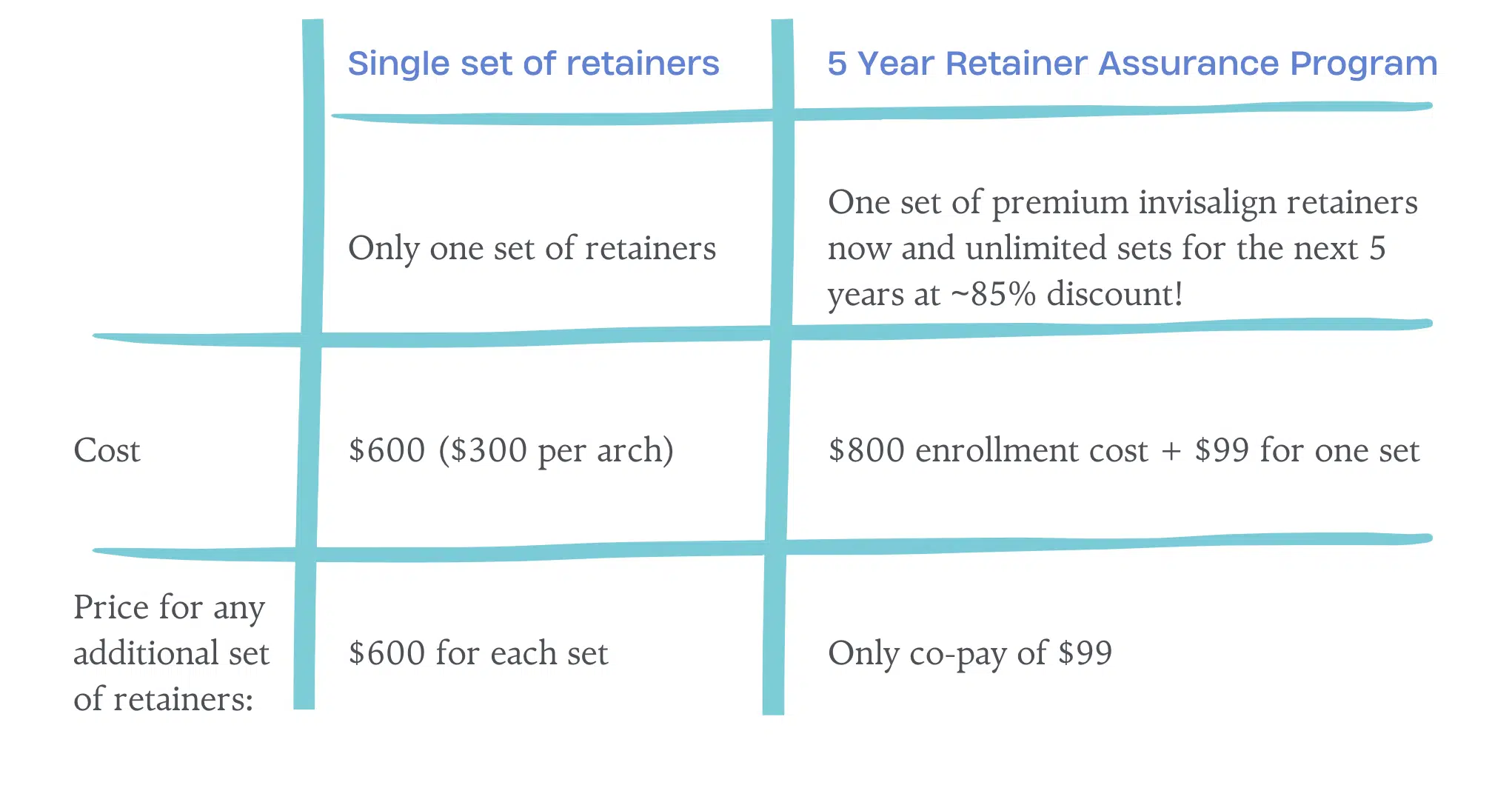
At Elara Orthodontics, we offer a special package called “5-Year Retainer Assurance”. By purchasing this package, you are guaranteed to receive as many retainers as you need for 5 years. In other words, if you lose your retainer, break it, or your dog accidentally chews your retainer, we will replace it with no questions asked and no extra charge.
This assurance policy will help our patients have peace of mind that regardless of the cost of replacement or repair for their retainers, they can receive the treatment they deserve and maintain their beautiful smile.
When you are visiting our office and start your braces treatment with us, please make sure to ask about the details of this package.
Retainer Assurance Program
CALL: (832) 702-2727
Introducing Elara Orthodontics’ Retainer Assurance Program
While You Are Living With Braces
Retainers are essential to keeping your healthy smile. If you’ve lost or broken your retainers, you must have new ones made in a timely manner to avoid further shifting or relapse of your teeth back to how they were before your treatment!
You can either get a new set of retainers or sign up for our amazing 5-year retainer assurance program. Read the details below and sign up for either option! Make an Appointment Today!
Don’t let a lost or broken retainer jeopardize the results of your orthodontic treatment. Take advantage of Elara Orthodontics’ Retainer Assurance Program and ensure your smile stays as beautiful as ever.