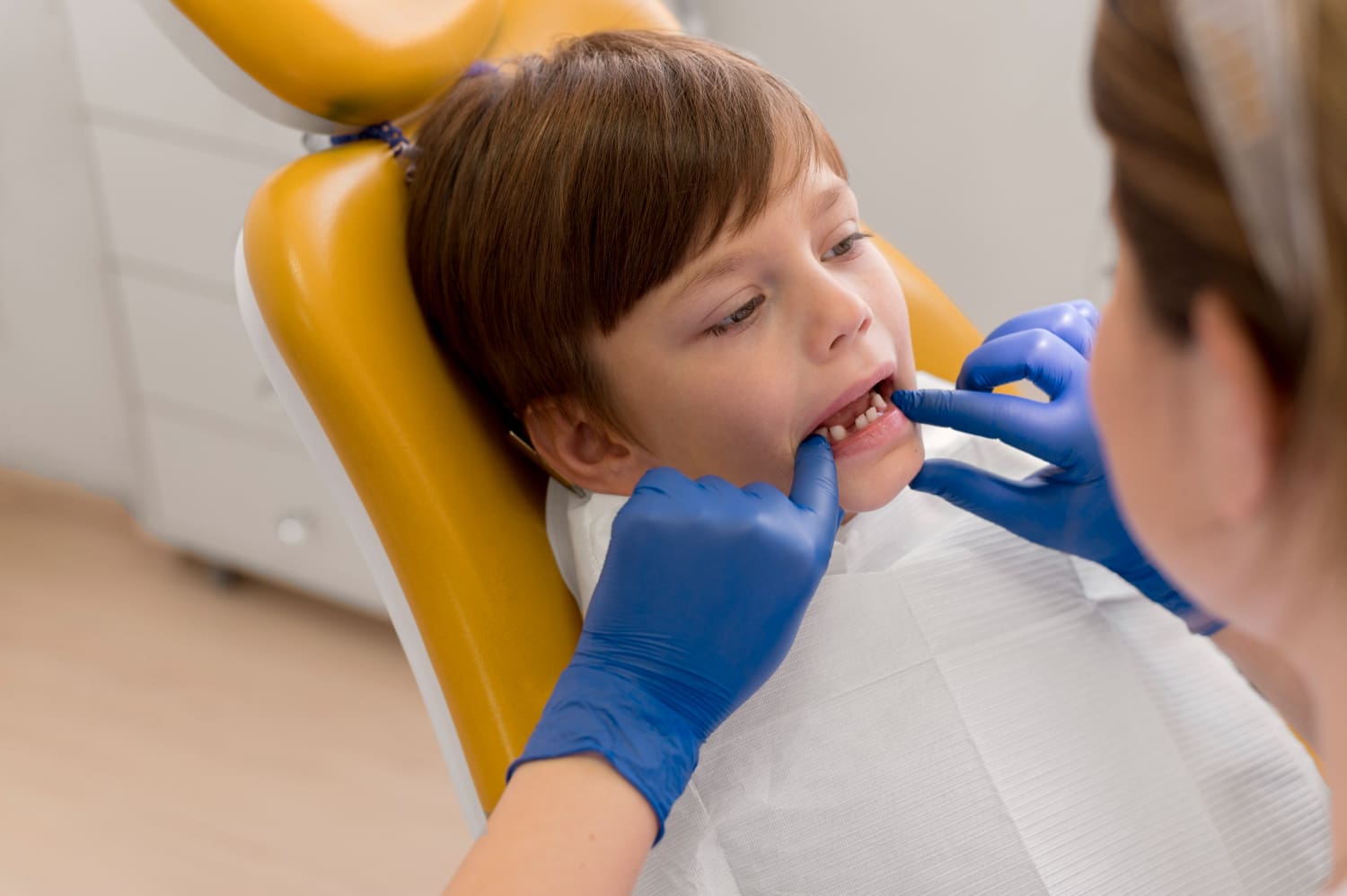

Children’s Orthodontist in Richmond or Houston, TX

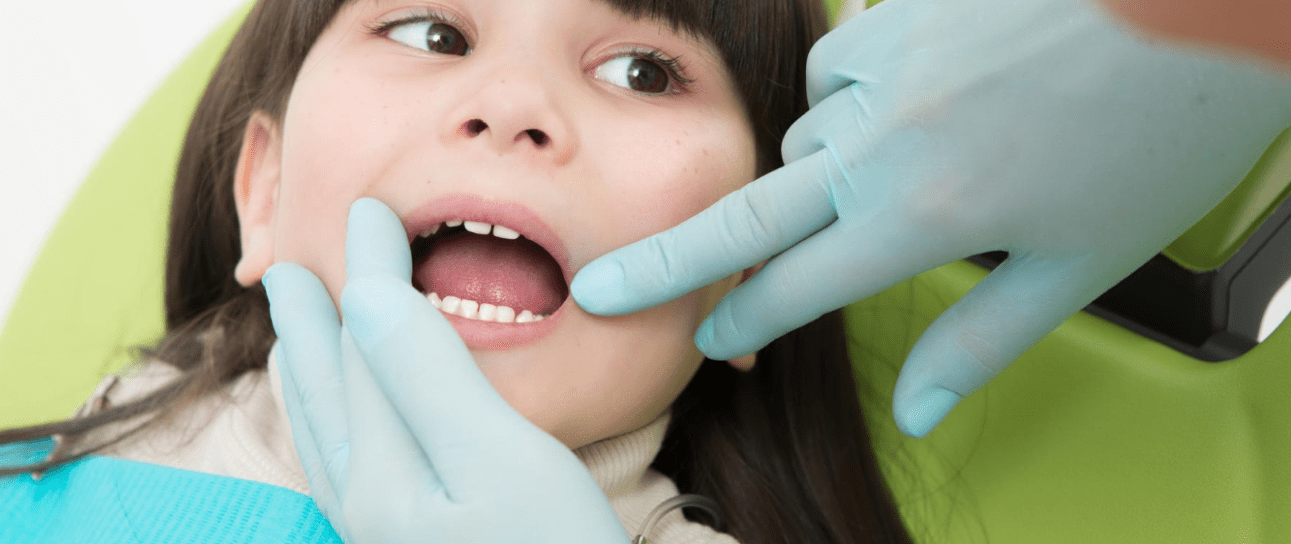
Give Your Child a Lifetime of Smiles
Your child deserves healthy, straight teeth for a confident, lasting smile. While the perfect age for orthodontic treatment may differ, Dr. Sara Abedini and Dr. Sam Elkenawy, along with the American Association of Orthodontists, suggest scheduling a first visit when your child is about seven years old.
What is Early Treatment?
Early treatment at Elara Orthodontics helps prevent or address bigger dental problems later on, potentially making future treatment shorter, easier, and less costly. In certain cases, Dr. Sara Abedini and Dr. Sam Elkenawy can achieve results that might become harder to accomplish once the jaws and face finish growing.
When is the Best Time for Treatment?
The ideal time for an initial consultation is around age 7. While the age for braces varies, orthodontic treatment in Richmond and Houston usually begins when children are between 9 and 14 years old. Certain issues like underbites are easier to correct as early as 7 years old.
Role of a Children’s Orthodontist
Importance of Early Orthodontic Intervention
Early orthodontic care, also known as interceptive treatment, works to address dental problems early on to prevent more serious ones.
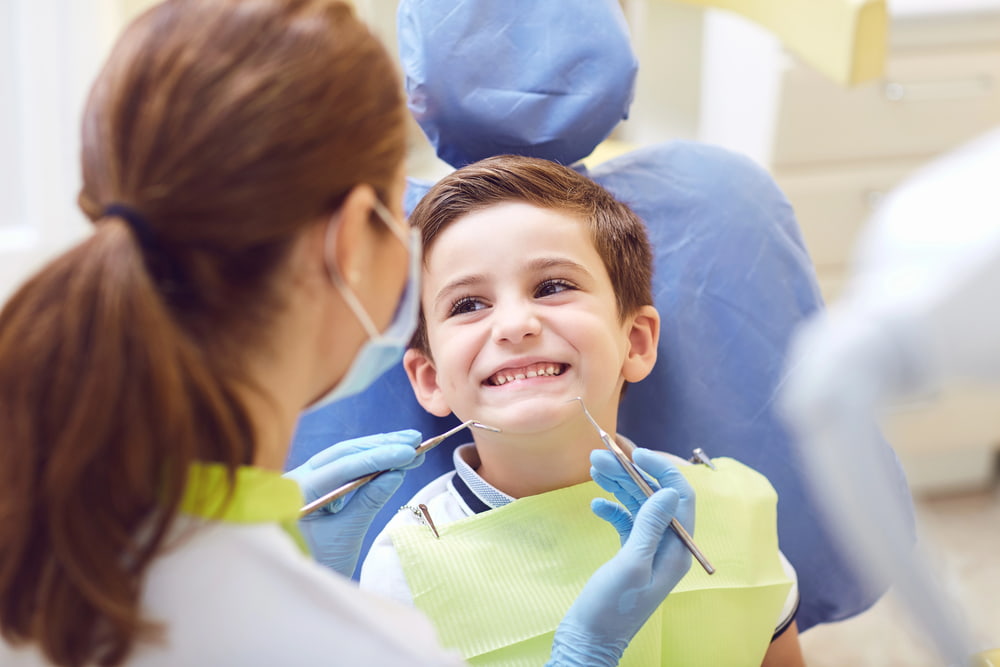
Preventing severe
dental issues
A healthy, radiant smile not only boosts confidence but also leaves a positive and lasting impression on those around you.
Improving appearance
and confidence
Starting orthodontic treatment early helps create a well-aligned smile, enhances appearance, and reduces future treatment time, cost, and discomfort.
Enhancing oral health
Properly aligned teeth make daily cleaning simpler, helping to lower the chances of developing cavities and gum disease.
Benefits of Children’s
Orthodontic Treatment
Improved Oral Health and Hygiene
Enhanced Speech Development
Prevention of Future Dental Issues
Boosted Confidence and Self-Esteem
Understanding Children’s
Orthodontic Treatment
Braces
Braces use small brackets attached to each tooth with a connecting archwire.
Aligners
These are clear, removable trays fit snugly over teeth and gradually move them over time.
Retainers
Retainers are orthodontic devices used to maintain the newly aligned position of teeth.
Space maintainers
These devices temporarily hold space for teeth that have not yet grown in after a baby tooth is lost.
Importance of Early Evaluation
The American Association of Orthodontists recommends a first orthodontic visit by age seven. Spotting problems like crooked teeth or jaw issues early allows for simpler, less expensive treatment down the road.
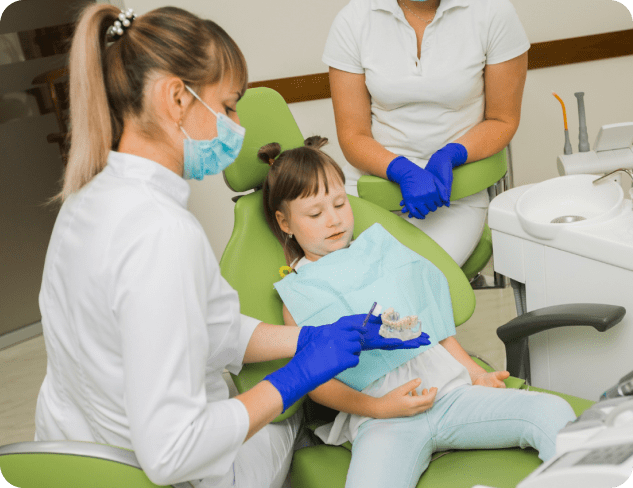
Treatment Process
Consultation
Includes examination, X-rays and impressions.
Appliance Placement
Orthodontic devices are fitted based on the treatment plan.
Follow-ups
Regular adjustments to monitor and ensure progress.
Retention
A retainer is often used after treatment to maintain results.
Appointment Duration and Frequency
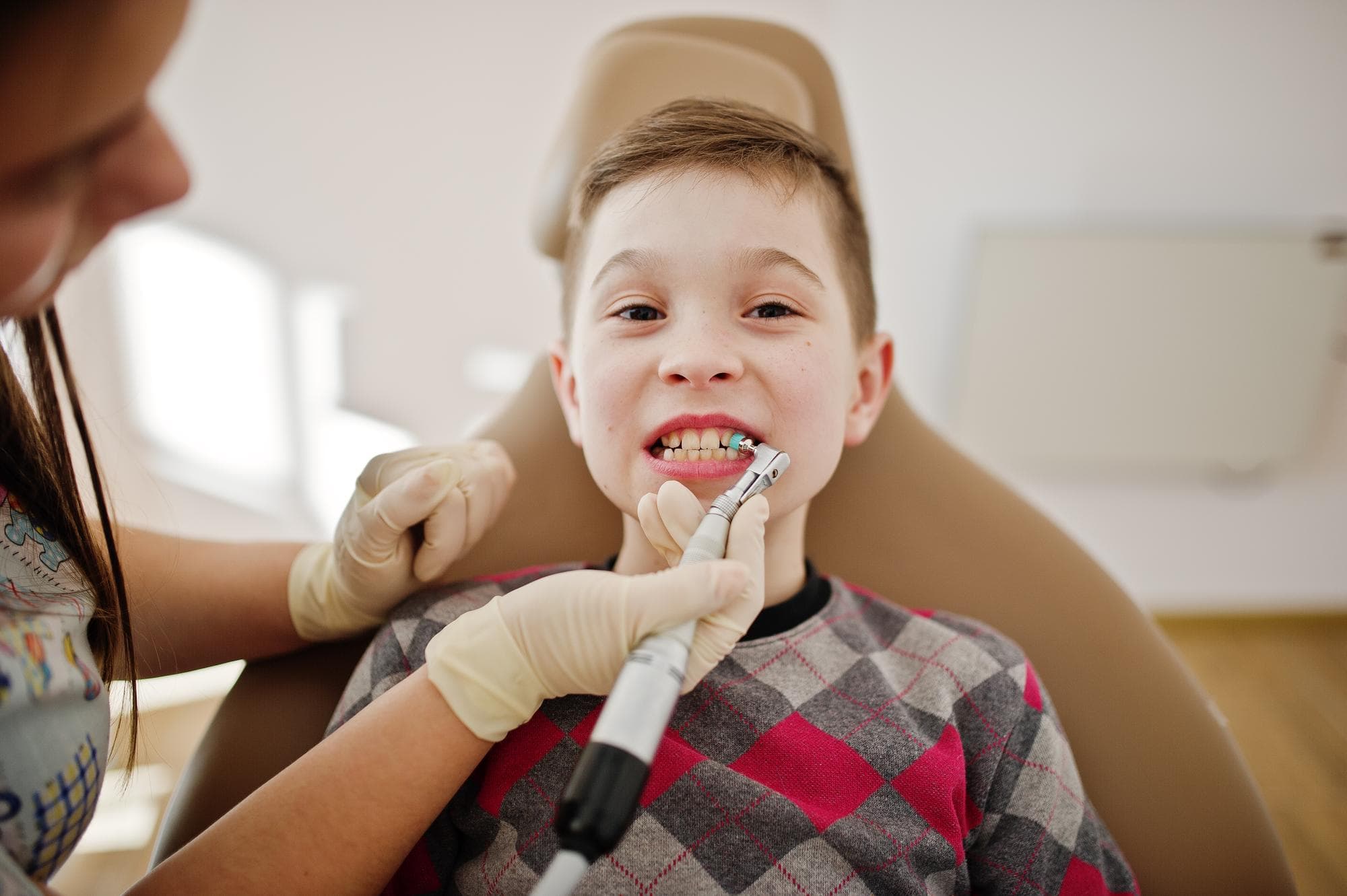
The duration and frequency of orthodontic appointments can vary depending on the type of appliance used and the severity of the dental issue. Typically, braces need adjustments every four to six weeks, while aligners are generally switched every two weeks. Appointments usually last from 30 to 60 minutes. The overall treatment time can range from six months to three years or more, depending on the individual case.
Common Orthodontic
Issues in Children

Overbite, Underbite, Crossbite and Spacing Problems
Crooked or Misaligned Teeth
Caused by genetics, thumb sucking, or accidents. Misaligned teeth can cause complications with cleaning, increasing the risk of cavities and gum disease.
Crowding or Spacing Issues
Crowding occurs when there’s insufficient space for teeth, making cleaning difficult and increasing the risk of tooth decay. Similarly, spacing issues can trap food between teeth, leading to decay as well.
Thumb Sucking and Other Oral Habits
While common in young children, persistent thumb sucking can cause teeth misalignment and alter the roof of the mouth.
Orthodontic Treatment Options for Children

Traditional Braces
Traditional braces have long been a cornerstone of orthodontic treatment and continue to be the most widely used orthodontic device.
Components
Brackets, archwires and ligature elastics.
Benefits
Effective for severe misalignments, durable and suitable for a wide range of dental issues.

Clear Aligners
Clear aligners are a modern and discreet alternative to traditional braces, offering an effective solution for correcting various dental alignment issues.
How They Work
Use consistent pressure to gradually move teeth, with new aligners replaced every two weeks.
Advantages
Discreet, removable for eating and cleaning and convenient for oral hygiene.
Functional Appliances
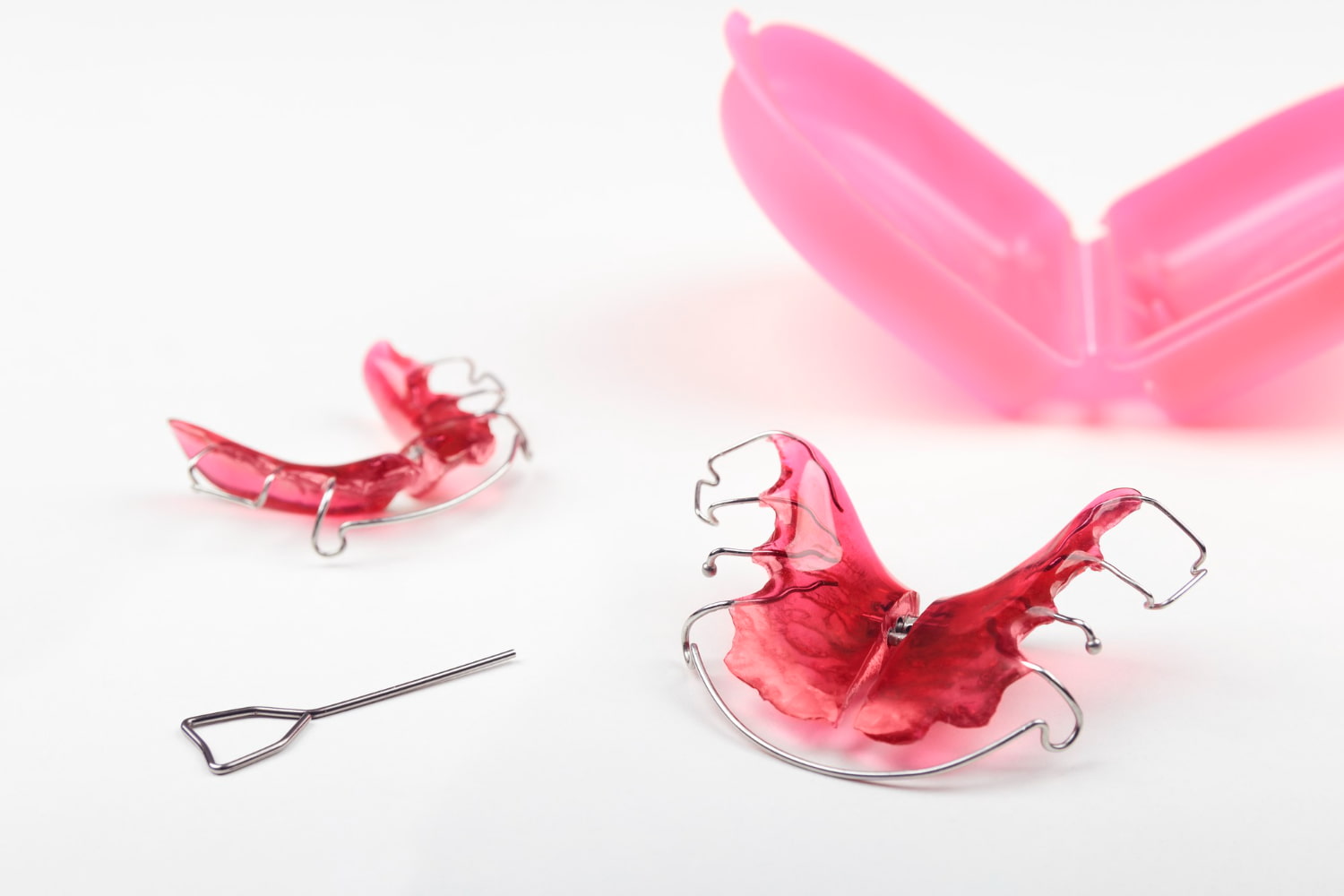
Designed to address jaw growth issues, these appliances are usually recommended for children and teens.
Types
Twin Block, Bionator and Herbst appliances.
Benefits
Can improve jaw function and facial aesthetics, preventing future dental problems.

Retainers
Retainers are orthodontic devices designed to maintain the new teeth position following treatment with braces or clear aligners.
Types
Removable (can be taken out for cleaning) and fixed (permanently bonded).
Benefits
Essential for maintaining the results of orthodontic treatment and a lasting smile.
Importance of Early Orthodontic Intervention
Finding the Right Pediatric Orthodontist
When selecting an orthodontist for your child, it’s important to consider their qualifications and experience to ensure they fit your family’s needs. Look for an orthodontist who has advanced training in orthodontics and experience working with kids. Furthermore, practical factors like office location, hours of operation, and treatment costs, including payment options or insurance coverage, should also be considered. Taking the time to choose the right orthodontist ensures your child receives excellent care and a positive experience overall.